Invisalign Attachments: What They Are and Why You Might Need Them
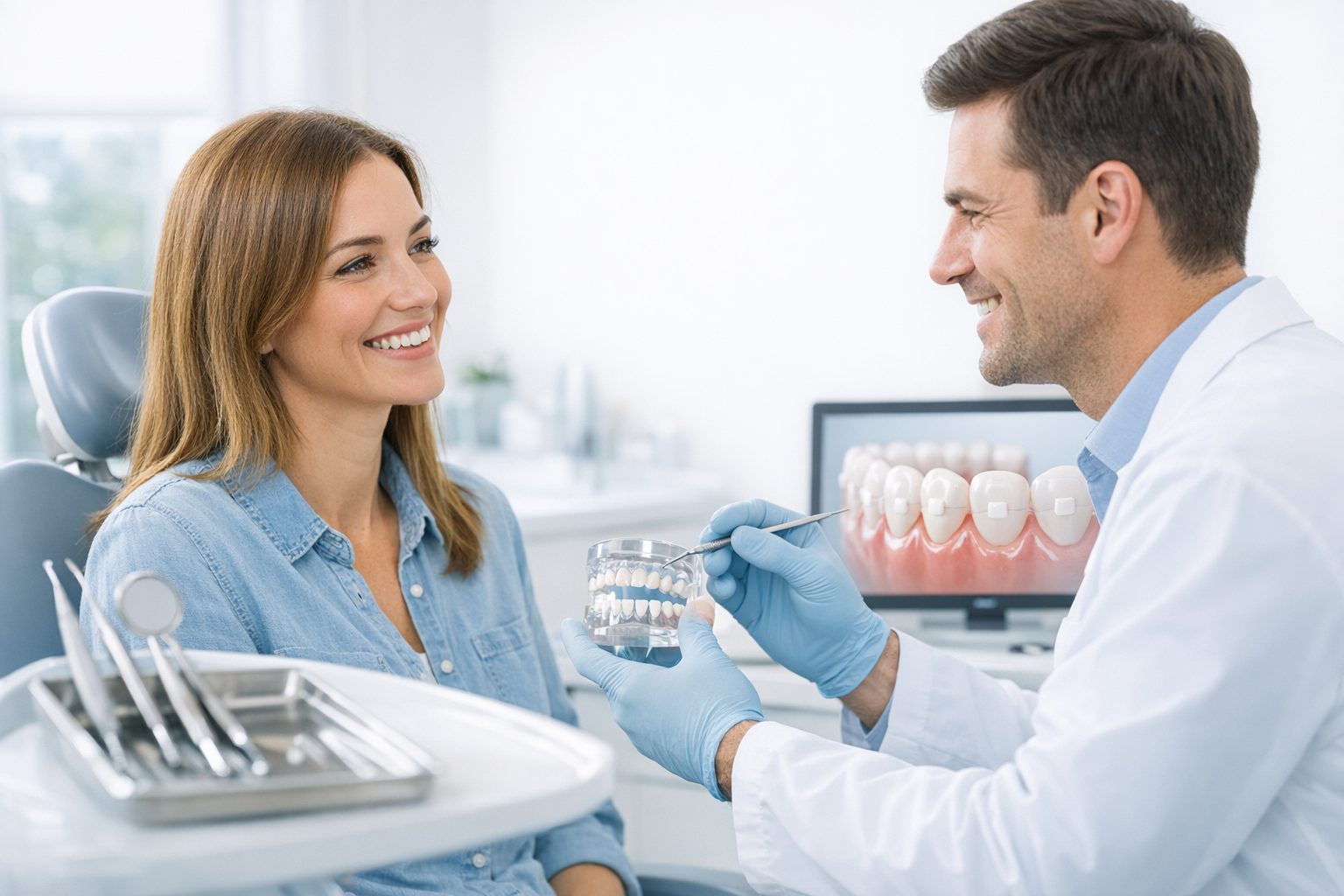
Invisalign attachments are small, tooth-coloured shapes that help aligners grip and guide your teeth. Invisalign attachments may look like tiny bumps, but they can make a big difference to how efficiently your trays work. They are usually made from a dental composite similar to white filling material. Most people find they are barely noticeable once they get used to them.
If you have ever wondered why a friend’s aligners looked “smoother” than yours, attachments could be the reason. Invisalign attachments are planned digitally, so their size and position are chosen for specific tooth movements. You might have only a few, or you might have them on many teeth depending on your bite and goals. In most cases, they are a normal part of treatment rather than a sign something is wrong.
It is also common to worry that attachments will hurt, stain, or damage enamel. Invisalign attachments typically do not harm the tooth when fitted and removed carefully by a professional. You may feel a little extra pressure at first because the aligner is engaging the attachment. The good news is that discomfort often settles as you adapt.
How Invisalign Attachments Work During Treatment
Attachments act like tiny handles so the aligner can apply force in a more controlled way. Invisalign attachments can help with rotations, pulling a tooth down, or closing small spaces. Without them, some movements may be slower or less predictable.
They are placed using a template that sits over your teeth, then the composite is cured and polished. The process is usually quick and does not involve drilling. If one comes off, it is worth booking in, because missing attachments can affect tracking.
In day-to-day life, attachments can change how the aligners feel when you remove them. You may need a gentler “rocking” motion to lift the trays off rather than pulling straight down. Many patients find an aligner removal tool helpful, especially in the first week. Keeping to your wear time is still the main driver of progress, with attachments supporting the plan.
You can read more about how clear aligners fit into modern teeth straightening on our Invisalign treatment page. It also explains what to expect at consultations and how planning works. For broader oral health guidance, the British Dental Association is a useful source of general dental information.
Caring for Invisalign Attachments Day to Day
Cleaning well matters, because plaque can collect around any raised surface on a tooth. Invisalign attachments are smooth when polished, but they can still trap food if brushing is rushed. A soft toothbrush, fluoride toothpaste, and careful brushing along the gumline usually do the job.
Staining is possible in many cases if you smoke or sip lots of tea, coffee, or red wine. Invisalign attachments do not stain as easily as some people fear, but habits and hygiene make a difference. Rinsing after meals and keeping regular hygiene visits can help keep everything looking consistent.
Be mindful of what you bite into, especially if you have attachments on the front teeth. Very hard foods can increase the chance of chipping the composite, even though it is designed to be durable. If an attachment feels sharp or the aligner no longer seats fully, a check-up can confirm whether an adjustment is needed.
- They can help the aligner grip better, especially for rotations and tricky tooth movements.
- Most are tooth-coloured and small, so they often blend in during normal conversation.
- Removal of trays may feel tighter at first, then usually becomes easier with practice.
- They are bonded without drilling in many cases, then polished for a smooth finish.
- Invisalign attachments may occasionally come loose, and refitting keeps your plan on track.
Ready to Talk About Your Next Steps?
If you are considering treatment and want to understand whether Invisalign attachments could be part of your plan, we can help. Book a chat via our contact page and we will talk through options, timing, and likely appointments. A proper assessment is important, because suitability can vary from person to person.
If your priority is improving your smile and bite with clear aligners, we will explain the pros and cons in plain language. You will also get practical tips for eating, cleaning, and keeping your trays fitting well. If you decide to proceed, your plan can be tailored to your goals and lifestyle.


