Toothache Pain Relief: What Helps Now and When to See a Dentist
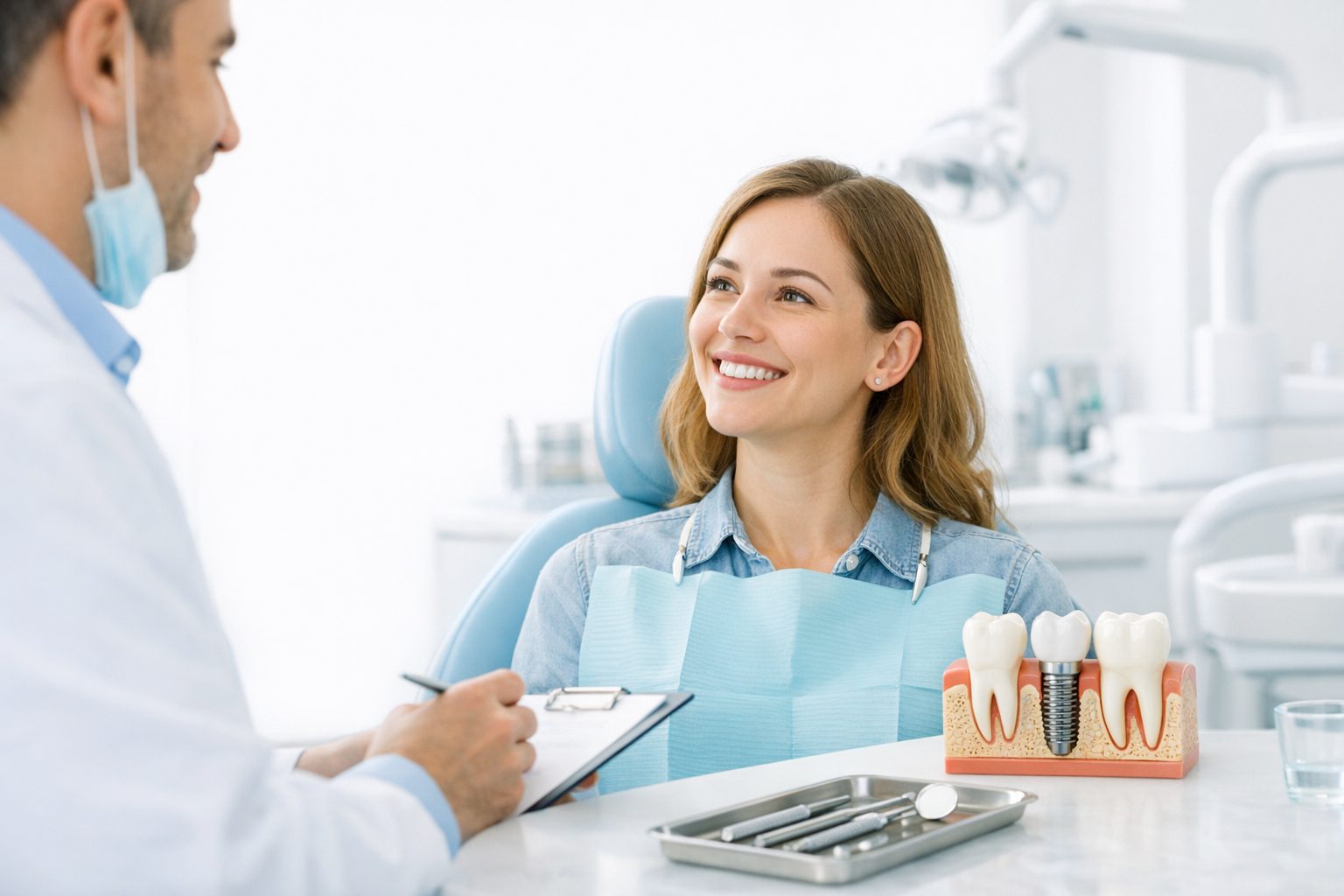
Toothache pain relief is usually the first thing on your mind when a tooth starts throbbing. Toothache pain relief can feel urgent because the discomfort can spread to your jaw, ear, or head. Even mild twinges can make it hard to eat, sleep, or focus on work. The good news is there are safe steps that may calm things down while you arrange help.
Sometimes the pain comes and goes, which can trick you into waiting. Toothache pain relief may still be needed even if the ache settles for a while. A tooth can have a small crack, an inflamed nerve, or a gum issue that flares up again later. Paying attention to timing and triggers can help you explain it clearly at your appointment.
Hot drinks, cold air, and biting pressure can all make the problem feel worse. Toothache pain relief at home is often about reducing irritation and swelling, not “fixing” the tooth. If you have facial swelling, fever, or difficulty swallowing, it’s important to seek urgent professional care. For everyone else, think of home measures as temporary support until you’re assessed.
Toothache Pain Relief at Home: Safe Short-Term Steps
Start with gentle cleaning, because trapped food can make pain feel sharper. Rinse with warm salt water and floss carefully, stopping if it causes significant bleeding. Toothache pain relief is often helped by keeping the area as calm and clean as possible.
Over-the-counter pain relief can be useful when taken as directed on the packet. Avoid placing tablets directly on the gum, as this may burn the tissue and worsen soreness. If you’re unsure what is safe for you, the British Dental Association at the British Dental Association explains why dental pain needs proper assessment.
Cold compresses on the cheek can reduce the sense of pressure in many cases. Try 10 minutes on, then 10 minutes off, and keep the cloth layer to protect skin. Toothache pain relief can also mean avoiding very hot, cold, sugary, or hard foods for a day or two.
If pain wakes you at night, prop your head up slightly, because lying flat can increase throbbing. Choose softer foods and chew on the opposite side to reduce bite pressure. If you need a prompt examination, you can arrange a visit with our private dentist in Bournemouth for advice and treatment planning.
Toothache Pain Relief: Signs It’s More Than Sensitivity
Sharp pain that lingers after cold or heat may suggest the tooth’s nerve is irritated. Toothache pain relief may only last briefly if inflammation inside the tooth is building. This is why a check-up and X-rays can be important for understanding the cause.
Pain when biting can sometimes relate to a crack, a high filling, or an abscess forming. A bad taste, pimple-like bump on the gum, or swelling can be signs of infection. In those situations, delaying treatment can allow the problem to worsen.
Gum problems can also mimic tooth pain, especially if the gum is inflamed around one tooth. Bleeding during brushing, tenderness, and a feeling of “pressure” are common clues. Toothache pain relief can improve once the area is professionally cleaned and looked at properly.
A helpful way to describe symptoms is to note what starts the pain and how long it lasts. Mention whether it is dull, sharp, pulsing, or only when chewing. This information can guide your dentist toward the most likely source.
- Rinse gently with warm salt water to soothe tissues and wash away debris.
- Use a cold compress on your cheek for bursts to reduce swelling and throbbing.
- Avoid very hot, cold, or sweet foods that can trigger sharp, lingering discomfort.
- Take packet-directed pain relief if suitable; Toothache pain relief is often temporary without treatment.
- Call a dentist if swelling, fever, or worsening pain suggests a possible infection.
Book a Calm Assessment and Plan Your Next Steps
If you’re juggling discomfort and decisions, Toothache pain relief can be the first step toward sleeping and eating normally again. When you’re ready, you can register with our Bournemouth dental team so we can assess the tooth and talk through options. If tooth damage is severe, we can also discuss longer-term solutions, including replacing teeth where appropriate.
We can’t diagnose your toothache online, but we can listen to what you’re experiencing and examine the area carefully. In many cases, early care prevents bigger problems and helps you avoid repeated flare-ups. If you’re considering replacing missing teeth, we’ll explain suitability, timelines, and costs in clear, no-pressure terms.


