Implant Healing and Diabetes: What to Expect and How to Prepare
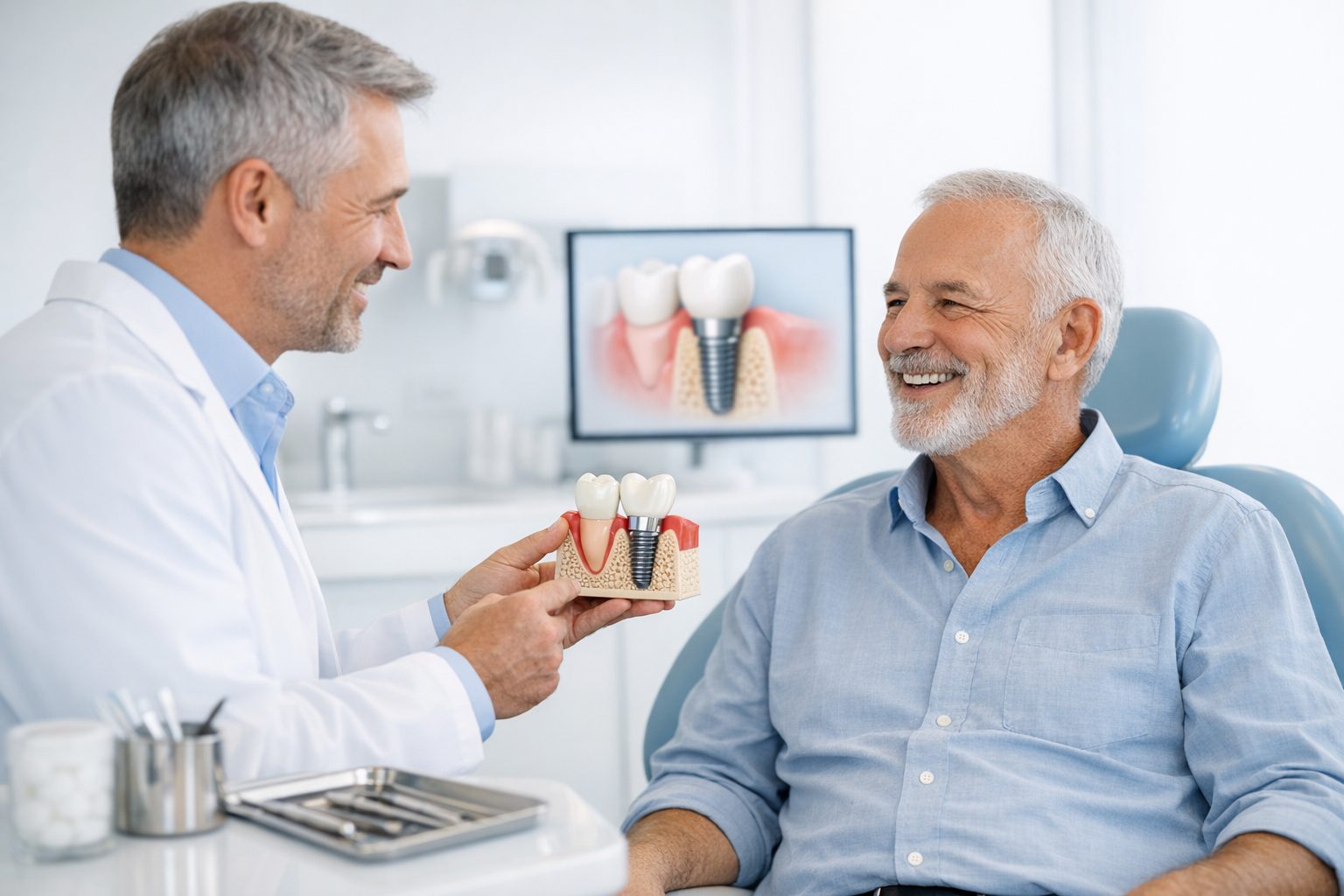
Implant healing diabetes is a common concern for people who want a secure, fixed replacement for missing teeth. If you have diabetes, you may wonder whether Implant healing diabetes takes longer or carries extra risks. The good news is that many people with well-managed blood sugar do very well with implants. What matters most is planning and close communication with your dental team.
Diabetes can affect circulation and the way your body responds to infection, which can influence healing after any surgery. That does not mean implants are “off limits,” but it does mean your dentist will take a more careful, step-by-step approach. Implant healing when you have diabetes is often smoother when your overall health is stable and follow-up visits are kept. You can help by sharing your medical history and the medicines you take.
It is also worth knowing that gum health and diabetes affect each other in both directions. When inflammation is reduced and daily cleaning is consistent, the mouth can be a more predictable place for healing. Implant healing in diabetes may be supported by being proactive before treatment, not just after surgery. A consultation can clarify what is realistic for your timeline and comfort.
How Implant Healing Diabetes Can Affect the Timeline
After an implant is placed, the bone needs time to bond to the titanium surface, a process called osseointegration. With diabetes, that bonding phase may be slower in some cases, especially if blood sugar levels fluctuate. Implant healing diabetes is usually most predictable when your readings are consistently in a healthy range agreed with your doctor.
Your clinician may recommend extra checks to reduce the chance of early complications. That could include reviewing your gum condition, taking x-rays, and discussing any history of slow healing. If you are exploring options for missing teeth, you can read more about dental implants in Bournemouth and what treatment typically involves.
It is also normal to feel tenderness, swelling, or bruising in the first few days. Most people can return to routine activities quickly, but you may be advised to avoid strenuous exercise at first. Implant healing diabetes can be supported by following aftercare instructions closely and attending reviews, even if everything feels fine.
For trustworthy general guidance on oral health, you can also refer to the British Dental Association. Information from established organisations can help you understand what is normal versus what needs a quick call. Your own dentist, however, is the best person to interpret symptoms in the context of your health.
Practical Steps to Support Implant Healing Diabetes at Home
Before surgery, focus on controllable factors that influence the mouth’s ability to settle. That might include improving brushing and interdental cleaning, addressing gum bleeding, and keeping hydration steady. Implant healing diabetes often benefits from reducing inflammation around the teeth and gums beforehand.
Food choices in early healing can matter because you want nutrition without irritating the site. Soft, protein-rich meals can be easier to manage while still supporting repair. If you notice persistent bleeding, increasing swelling, or a bad taste, contact your clinic for advice rather than waiting.
Medication routines should be discussed in advance so your appointment is timed sensibly and any precautions are clear. Some people are asked to check their blood glucose more frequently around the procedure, particularly if their meals change. Implant healing in diabetes can also be influenced by smoking, so reducing or stopping it can make healing more reliable.
Long-term success is about consistency, not perfection. Keeping plaque low and attending hygiene visits can help protect the gums around an implant, which is important for stability. Implant healing diabetes is only the first phase, and maintenance is what protects your investment over years.
A few consistent habits can make the healing process more predictable:
- Bring recent blood sugar records so your dentist can plan Implant healing diabetes more safely.
- Prioritise gentle brushing and interdental cleaning to reduce inflammation before implant surgery begins.
- Choose soft, balanced meals for a few days to avoid pressure on healing tissues.
- Attend every review appointment so early changes can be spotted and managed promptly.
- Report unusual pain, swelling, or discharge quickly, even if symptoms seem minor initially.
Ready to Talk About Replacing Missing Teeth?
If you are considering implants and you are thinking about Implant healing diabetes, a tailored assessment can make the next steps feel clearer. You can book a consultation for dental implant treatment to discuss timing, comfort, and how we may plan around your health. We will explain what we can see, what it may mean for healing, and what support is available.
Bring a list of medications and any recent medical updates, and feel free to ask for a realistic timeline. Many people with diabetes can be suitable candidates, but it depends on individual factors and stable management. The aim is a safe plan that helps you chew confidently again without rushing the process.


