Missing Teeth and Gum Disease: What’s the Connection?
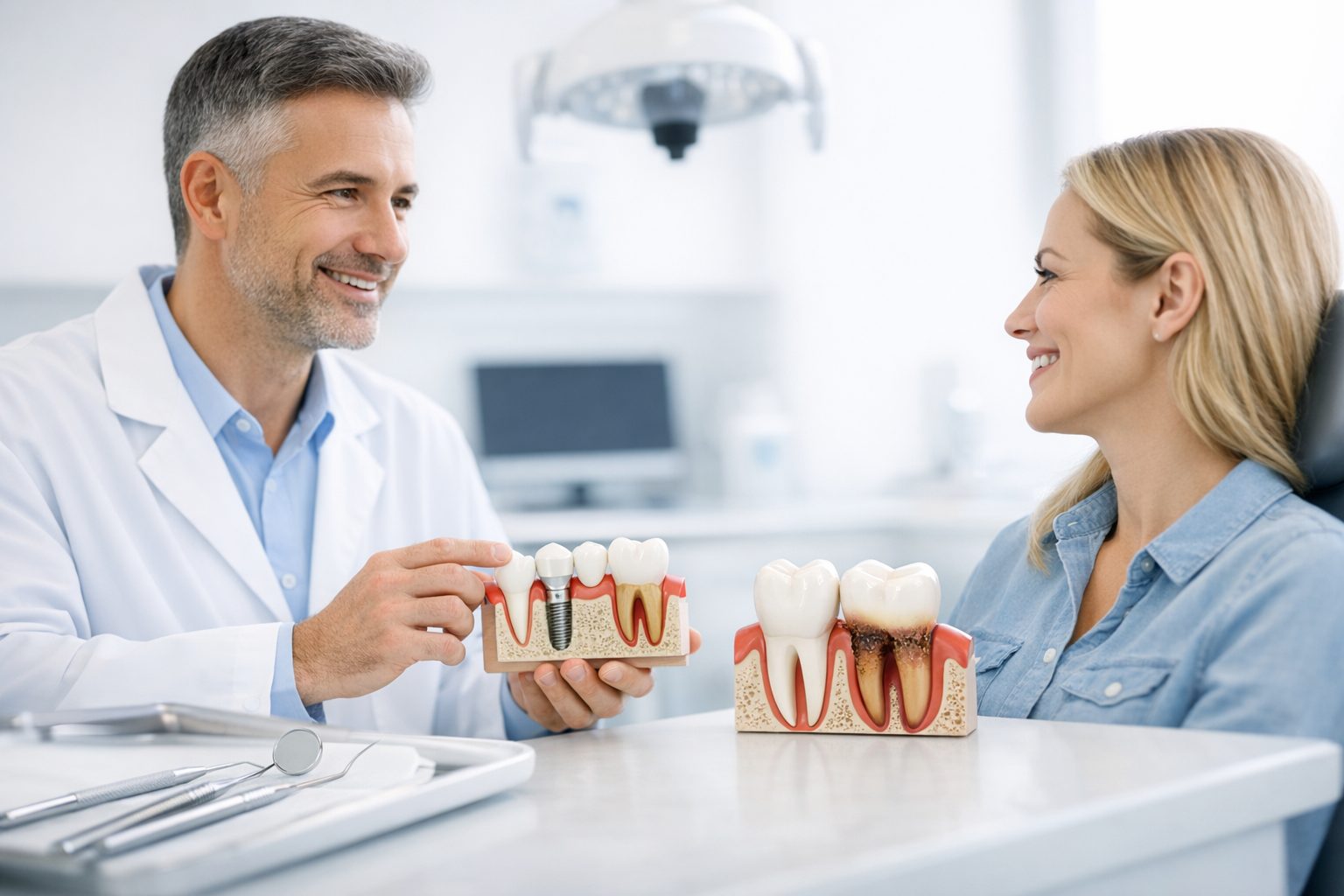
Missing teeth gum disease can sound like two separate problems, but they often influence each other. When a tooth is lost, the surrounding gum and bone no longer get the same support and stimulation. That change can make the area harder to keep clean and may increase inflammation risk. It also changes how you bite, which can stress other teeth and their gums.
If you already have gum problems, Missing teeth gum disease may be part of the same ongoing story. Gum disease can loosen teeth over time, and it can also affect how well replacement options heal and last. The good news is that early support and the right plan can often stabilise things. A dental team can help you understand what’s happening without judgement.
Even if the gap has been there for years, Missing teeth gum disease is still worth addressing. Many people adapt by chewing on one side, avoiding certain foods, or smiling less. Those habits can quietly affect nutrition, confidence, and overall comfort. Small steps, taken consistently, can make a big difference.
How Missing Teeth Gum Disease Can Feed Each Other
When a tooth is missing, food and plaque can collect in the space more easily, especially near the gumline. If brushing and interdental cleaning are harder, inflammation may linger. Over time, this can contribute to Missing teeth gum disease becoming a repeating cycle.
Gum disease itself can also be a reason teeth are lost, because infection can weaken the supporting tissues. That’s why assessment matters before choosing a replacement, so underlying issues are managed first. For patient-friendly guidance and prevention advice, the British dental profession shares resources via the British Dental Association.
Replacing teeth can reduce unwanted movement of neighbouring teeth and help you chew more evenly. In many cases, a stable bite makes daily hygiene feel simpler and more predictable. If you are exploring long-term options, you can read about dental implants in Bournemouth and how they may support function.
Signs to Watch For With Missing Teeth and Gum Disease
If your gums bleed when brushing, feel tender, or appear swollen, it may be worth arranging a dental check-up. Ongoing bad breath can also be a sign that bacteria and plaque are collecting around the gums. Many people first notice problems when a gap starts trapping food or the surrounding gum becomes sore.
Changes in your bite can develop gradually but still have a long-term impact on your oral health. Nearby teeth may begin to shift into the empty space, creating areas that are harder to keep clean and more likely to collect plaque. As chewing patterns change, the remaining teeth and jaw joints can sometimes feel more sensitive or tired.
It’s also common to notice gum recession around nearby teeth, which can make them appear longer over time. Spaces between teeth may widen, and cleaning tools that once worked comfortably may no longer fit as well. If missing teeth and gum problems are linked, a tailored hygiene plan can often help settle inflammation before discussing replacement options.
- Bleeding or swollen gums around a missing tooth can indicate ongoing irritation or plaque buildup.
- Food trapping near gaps may increase the risk of gum inflammation and tenderness.
- Teeth drifting into empty spaces can create new areas where plaque collects more easily.
- Changes in chewing and bite balance may make gum problems harder to manage over time.
- Regular dental exams can help identify early bone or gum changes and support long-term treatment planning.
Ready to Talk About Replacing Teeth Comfortably?
If you suspect Missing teeth gum disease is affecting your comfort, start with an assessment rather than guessing. Our team can explain your options clearly and help you decide what fits your mouth and budget. You can book a dental implants consultation to discuss next steps in a calm, no-pressure way.
In many cases, treating gum inflammation and improving home care comes first, then replacement planning follows. The goal is a mouth that’s easier to keep clean and feels good to use every day. If you’re unsure what’s going on, a professional exam is the safest place to begin.


