Broken Tooth Emergency Dentist: What to Do Next and When to Call
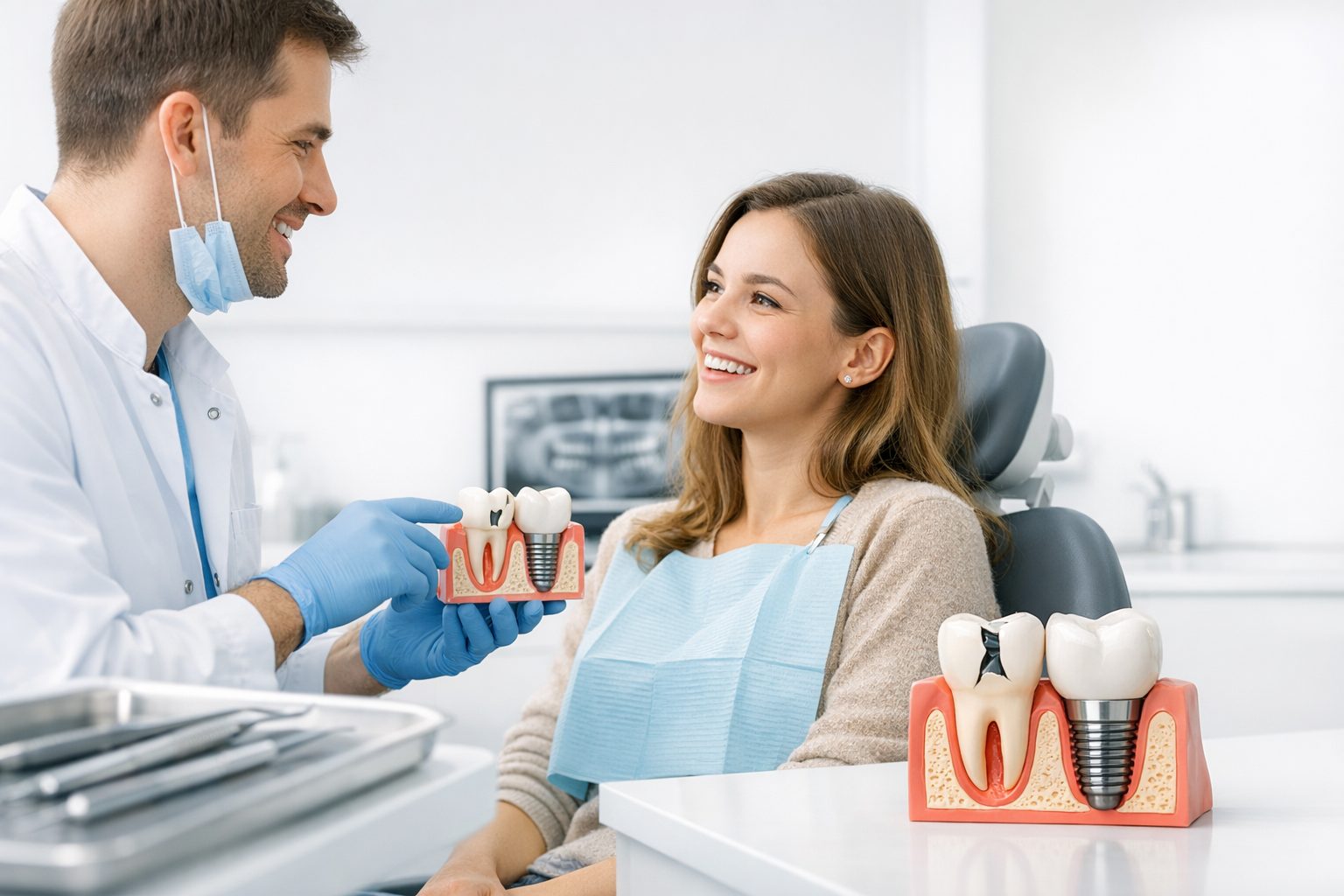
If you’ve been searching for a broken tooth emergency dentist, it’s probably because you’ve damaged a tooth unexpectedly and aren’t sure what to do next. Acting quickly can reduce pain, protect the tooth, and improve the chances of successful treatment. Even a small chip can expose sensitive layers beneath the enamel, so knowing the right first steps can make a big difference.
If the tooth has cracked, avoid chewing on that side and stick to soft foods. Urgent dental care is especially important if you have severe pain, swelling, or bleeding that won’t settle. Rinse gently with warm water and, if possible, keep any broken fragments in a clean container. Over-the-counter pain relief may help while you arrange an appointment, provided you follow the packet instructions and avoid anything you’re allergic to.
A broken tooth isn’t always dramatic, but it can worsen if left untreated. You should also seek advice if a filling or crown has come out and the tooth feels sharp or exposed. Try not to pick at the area with your tongue, as this can irritate the gum. If you have a facial injury or feel unwell, consider urgent medical help as well as dental care.
When a Broken Tooth Emergency Dentist Visit Is Needed
Some breaks are cosmetic, while others may affect the nerve or split the tooth deeper than you can see. A broken tooth emergency dentist appointment is often recommended when pain is severe, the tooth is moving, or the gum is badly cut. Sensitivity to hot or cold that lingers can also suggest the tooth needs prompt attention.
If you can see a crack line, or the tooth has a missing corner that catches on your lip, it’s worth being checked. For ongoing care and treatment planning, you can register with our private dentist in Bournemouth for advice and treatment planning. In many cases, smoothing a sharp edge or placing a temporary cover can bring quick relief.
While waiting for your appointment, keep the mouth as clean as you comfortably can. Rinse after meals and avoid very hard, sticky, or crunchy foods that can extend fractures. For general oral health guidance, you can also consult the British Dental Association.
What an Emergency Dentist May Do for You
At the clinic, we’ll usually start by checking your bite, taking X-rays if needed, and looking for hidden cracks. Small chips can often be repaired with composite bonding or a filling, while larger fractures may need a crown. If the nerve is affected, root canal treatment can sometimes be the best way to save the tooth.
If you have lost a filling or crown, the goal is to protect the tooth quickly and restore comfort. Depending on what is found, a temporary restoration may be used until a longer-lasting option is ready. You’ll also be advised on how to manage sensitivity and keep the area clean at home.
Not every damaged tooth can be saved, especially if the crack runs deeply below the gum. Even then, there are usually sensible next steps to restore your smile and chewing function. The most important part is getting an accurate assessment early, before infection or further fracture develops.
- Save any broken fragments and bring them to your appointment if possible.
- Avoid chewing on the damaged side and stick to soft foods.
- Rinse gently with warm water after meals to reduce irritation and remove debris.
- Use a cold compress on the cheek for swelling, in short, repeated intervals.
- Call if pain worsens, swelling appears, or the tooth feels loose or higher.
Book Help Now and Think About Long-Term Options
If you’re worried and need guidance, we can arrange an appointment as soon as possible, and you can register as a patient online to get started. Even if the discomfort settles, it’s sensible to have the tooth checked because cracks can remain and flare up later. If you’re considering replacing missing teeth after a break, we can explain the options and what may suit you.
Many people feel anxious after a tooth breaks, especially if it affects their smile. We’ll talk you through likely treatment routes, expected timescales, and how to avoid repeat damage. The best plan depends on the tooth’s condition, your bite, and your goals, so a professional examination is always the safest next step.


