Dental Bridges Aftercare: Simple Steps to Protect Your Smile
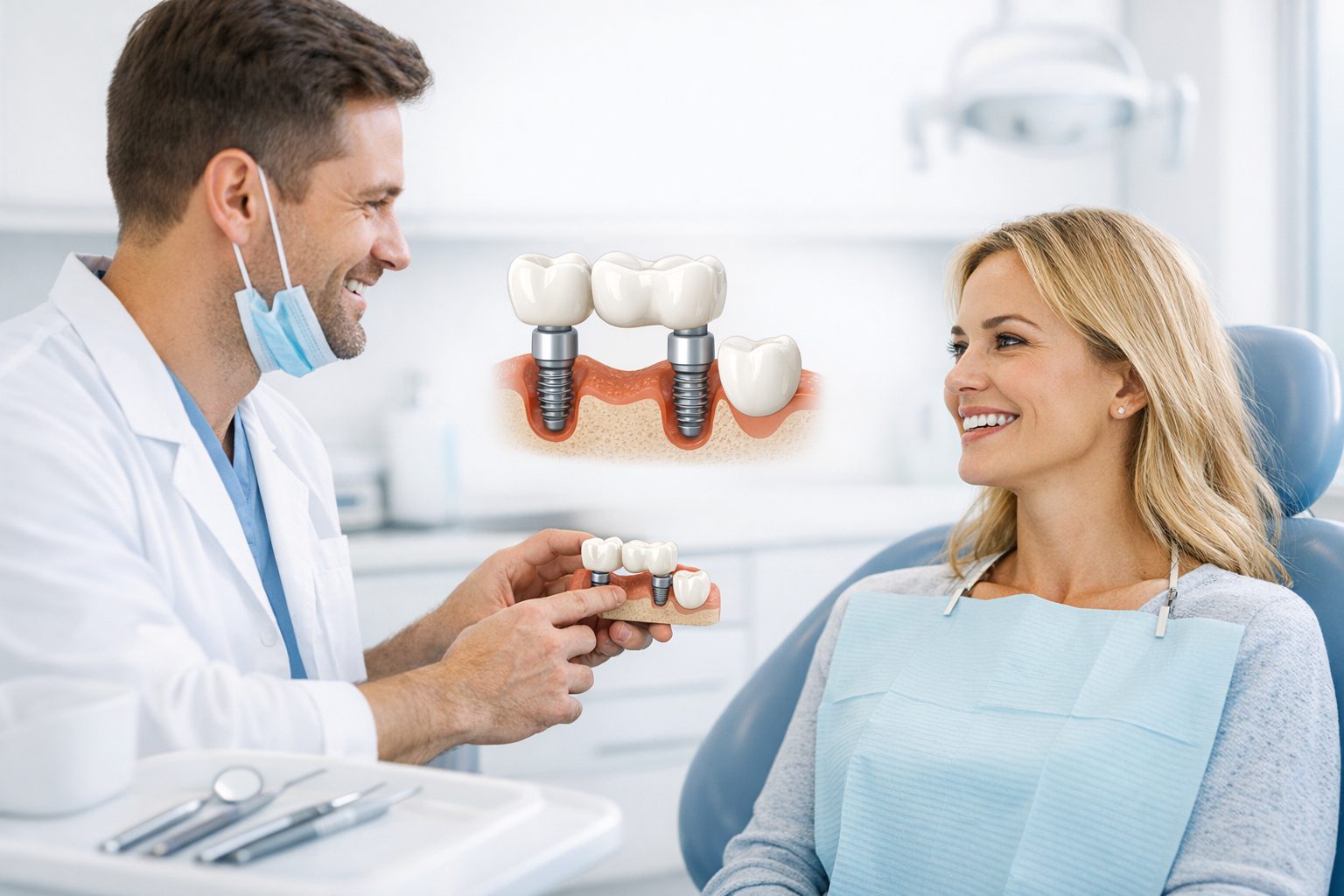
Dental bridges aftercare matters from day one, because a bridge relies on healthy teeth and gums. Dental bridges aftercare also helps you avoid soreness, bad odour, and early loosening. In the first week, small changes in bite or sensitivity can be normal while you adjust. Knowing what to watch for can make the whole experience feel far more predictable.
For many people, a bridge quickly feels like part of their own tooth line. Still, food traps and plaque can build up around the edges if cleaning slips. That is why dental bridge aftercare should focus on both comfort and hygiene. If anything feels sharp or the bite feels high, it is sensible to book a review.
Good routines are usually simple, but they need to be consistent. Dental bridges aftercare is not about harsh scrubbing or expensive gadgets. It is about the right technique in the right places, especially under the false tooth. With a few habits, you can often keep your bridge looking natural and functioning well.
Dental Bridges Aftercare: The First Few Days
In the first 24 to 48 hours, your gums may feel tender and your bite may feel unfamiliar. Dental bridges aftercare in this stage is mostly about being gentle and letting tissues settle. Choose softer foods, chew slowly, and avoid very sticky sweets that can tug at the bridge.
If you had local anaesthetic, be careful with hot drinks until feeling fully returns. You may notice mild sensitivity to cold, especially around the supporting teeth. If pain builds instead of easing, contact a clinician, as you may need a small adjustment.
Cleaning should start straight away, but with a light touch. Brush twice daily using a soft brush, aiming at the gumline where plaque loves to sit. For general guidance you can trust, resources from the British Dental Association explain why daily cleaning makes such a difference.
It can help to plan a review appointment so minor issues are handled early. If you are new to the area or want regular care, you can register with a private dentist in Bournemouth for ongoing check-ups and hygienist visits. A quick look can confirm the bridge is seated well and that you are cleaning effectively. Ongoing maintenance often protects the supporting teeth, which do the hard work.
Dental Bridges Aftercare: Cleaning Under and Around the Bridge
The most important area is the space under the false tooth, where a toothbrush cannot reach. Dental bridges aftercare usually means using a floss threader, superfloss, or a small interdental brush to sweep through. Aim for once daily, and move gently to protect the gum tissue.
Mouthwash can be helpful, but it is not a substitute for mechanical cleaning. Choose an option that suits your needs, and use it at a separate time from brushing if it contains fluoride. If your gums bleed a little at first, that can be common, but persistent bleeding should be checked.
Try to keep an eye on changes that may signal wear or a fit issue. A bridge that starts to feel “rocky,” a persistent bad taste, or repeated food packing can be warning signs. Dental bridge aftercare also includes protecting the bridge from heavy forces, such as nail-biting or chewing ice.
Daily Care Tips
- Brush gently along the gumline twice daily, focusing on the supporting teeth edges.
- Use a floss threader nightly; Dental bridges aftercare includes cleaning the underside thoroughly.
- Choose softer foods at first, and limit sticky toffees that may pull.
- Attend hygiene visits so plaque and tartar are removed from hard-to-reach areas.
- Call your dentist if the bite feels high, or you notice new sharpness.
Book a Check-Up if You’re Thinking About Replacing Teeth
Dental bridges aftercare is easiest when you have a plan for reviews, cleaning support, and bite checks. If you are considering replacing teeth or updating an older bridge, you can arrange an assessment via our Bournemouth dental registration page. A clinician can explain options and help you choose an approach that suits your mouth and routines.
Sometimes a bridge is ideal, and in other cases another solution may be more suitable. The best next step is usually a calm conversation, plus an exam and any recommended X-rays. If anything feels uncomfortable or you are worried about cleaning, book in sooner rather than later.


