Dental Fillings Sensitivity: Causes, Relief, and When to Book In
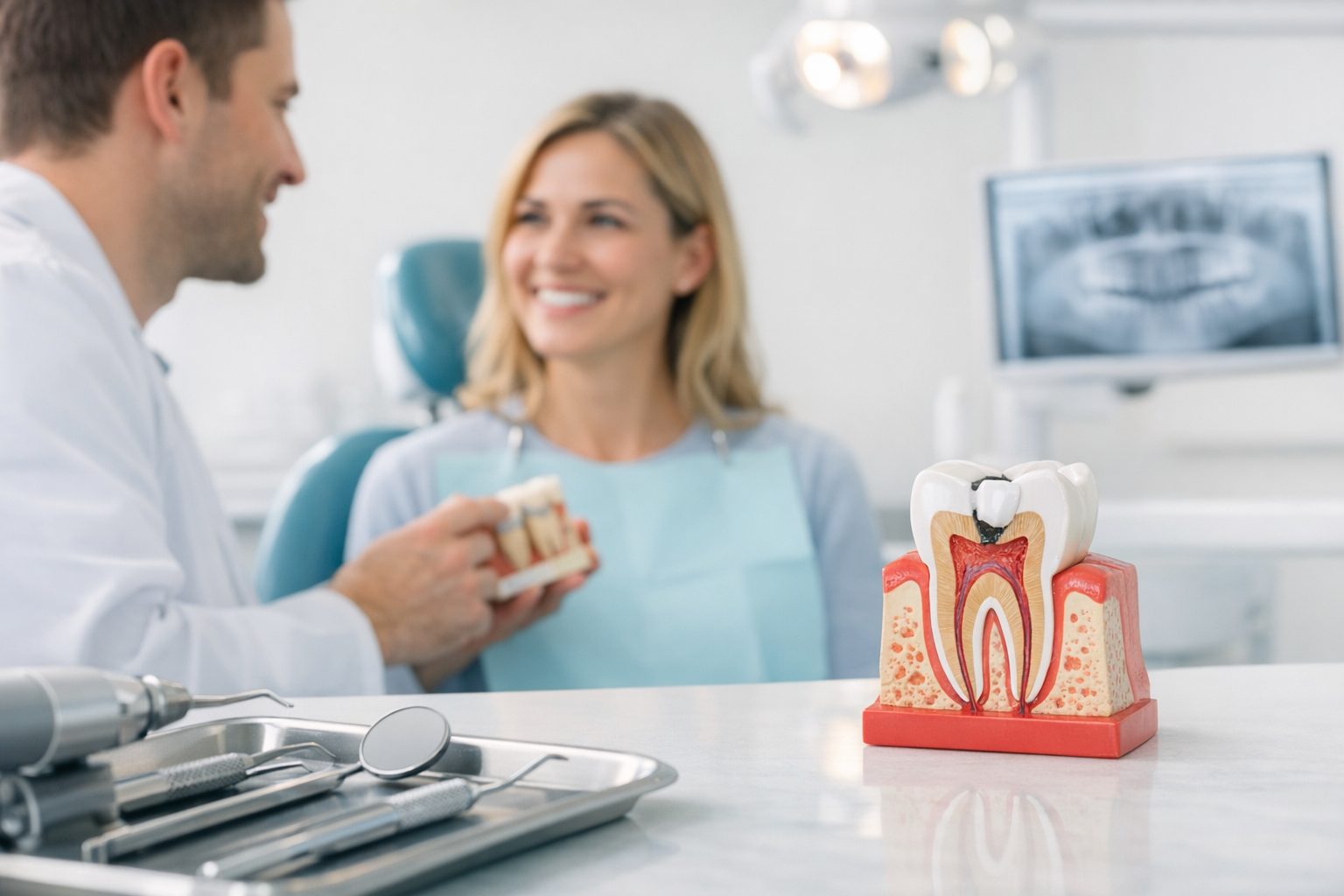
Dental fillings sensitivity can be worrying, especially when a bite of something cold makes you wince. Dental fillings sensitivity is also common in the first days after treatment, and it often settles. The tooth has been worked on, and nearby nerves can react while things calm down. Knowing what is normal can make it easier to decide what to do next.
Sensitivity may show up as a quick zing with cold drinks, sweet foods, or when you bite down. It can feel sharp, but it usually fades within seconds after the trigger is gone. Some people notice it only on one side when chewing. Others mainly feel it when brushing near the gumline.
If symptoms are mild, you can often manage them with a few simple changes while your tooth recovers. If pain is getting worse, waking you at night, or lingering for minutes, it is worth getting checked. Dental fillings sensitivity can be linked to bite pressure, tiny gaps, or a deeper cavity. A review appointment can usually pinpoint the cause quickly and safely.
Why Dental Fillings Sensitivity Happens
After a filling, the tooth can be a bit inflamed from drilling, suction, and drying. Dental fillings sensitivity may happen because the nerve has been irritated, even when everything has been done correctly. The type of filling, and how deep the decay was, can also influence how long it lasts.
Sometimes the bite is slightly high, meaning the filling meets first when you close your teeth. That extra pressure can make the tooth feel bruised and sore with chewing. If you are unsure, a private dentist in Bournemouth can check your bite and adjust it gently. This is often a quick fix and can bring fast relief.
In other cases, sensitivity can come from the seal around the filling. Materials shrink and change temperature, and the tooth itself flexes slightly when you bite. If a microscopic gap is present, cold or sweet stimuli may reach the underlying layer and trigger discomfort. Guidance from the British Dental Association supports seeking a review if symptoms persist or feel severe.
Easing Dental Fillings Sensitivity at Home
For the first week or two, try to avoid extreme temperatures on that side. Dental fillings sensitivity often improves when the nerve has time to settle and new enamel-like layers form inside the tooth. Choosing lukewarm drinks and chewing on the opposite side can reduce flare ups.
Switching to a toothpaste designed for sensitivity can be helpful for many people. Brush gently with a soft toothbrush, and avoid aggressive scrubbing along the gumline. You may also find that cutting down on frequent snacking reduces repeated triggers. If you grind or clench, a night guard assessment may be considered.
Be cautious with very hard foods, sticky sweets, and ice, especially soon after the appointment. If discomfort lingers long after a cold trigger, or you notice pain on biting that is getting sharper, book in. Dental fillings sensitivity can sometimes signal that the tooth needs a simple adjustment or further investigation. It is best assessed early, before it disrupts eating and sleep.
To help manage symptoms day to day, try incorporating the following into your routine:
- Choose softer foods for a few days to limit pressure on the treated tooth.
- Use a sensitivity toothpaste twice daily, and spit out excess rather than rinsing fully.
- Dental fillings sensitivity can improve faster when you avoid frequent acidic drinks like fizzy pop.
- Avoid whitening products temporarily, as they can irritate exposed areas around the filling margin.
- Book a bite check if chewing feels uneven, or pain spikes when you release pressure.
Book a Calm Review and Plan Your Next Steps
If dental fillings sensitivity is stopping you from eating comfortably, a review can help confirm what is going on. You can register with our Bournemouth dental team to arrange an assessment at a time that suits you. If you are also thinking about longer term options to replace missing or damaged teeth, we can talk you through choices without pressure.
We may check the bite, the condition of the filling, and the health of the nerve and surrounding gum. If another treatment is recommended, it will be explained in plain language with costs and timescales. Dental fillings sensitivity does not always mean something serious, but getting it checked can give you confidence and a clear plan.


