Dental Implants and Bone Loss: What to Know Before Replacing Missing Teeth
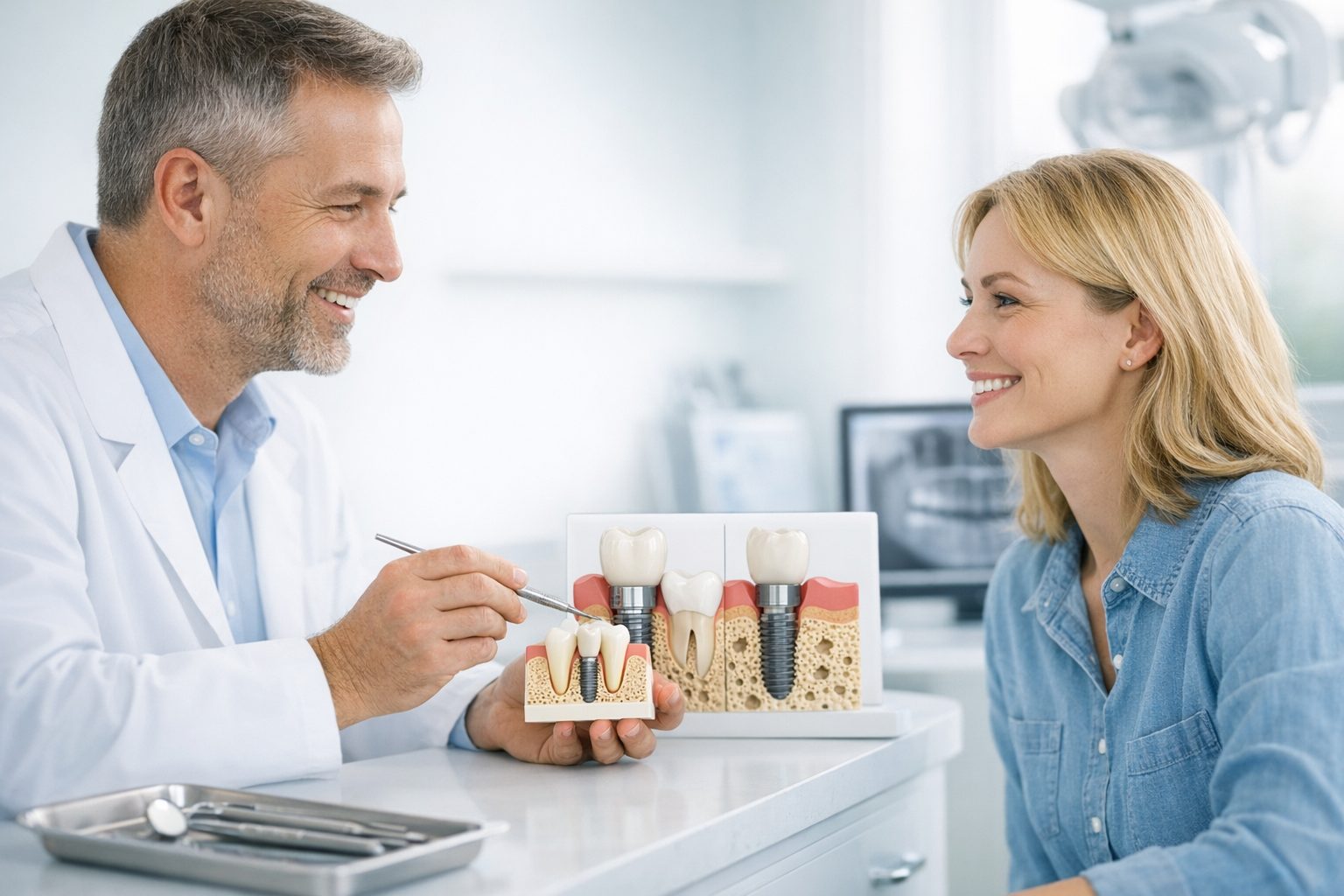
Dental implants bone loss is a common worry when you have one or more missing teeth. Dental implants bone loss can sound alarming, but it is often preventable and manageable. When a tooth is lost, the jaw no longer gets the same day to day stimulation. Over time, the bone in that area may start to shrink.
If you are noticing changes in your bite or the way dentures sit, bone changes may be part of it. Dental implants bone loss is not only about looks, because it can affect comfort and function too. Some people also see the gums looking more sunken near a gap. The good news is that modern implant planning is designed to work with the bone you have.
Bone loss can happen for more than one reason, including gum disease, trauma, or long term tooth absence. Dental implants bone loss is discussed so often because implants rely on healthy jawbone support. If the bone is thin or low, you may still have options after an assessment. The key is understanding what is happening and why timing matters.
Dental Implants Bone Loss: Why It Happens After Tooth Loss
After a tooth is removed or falls out, the bone that held it can start to resorb. Dental implants bone loss concerns usually begin here, because the jaw is no longer being loaded by chewing. In many cases, the most noticeable change happens in the first year.
This change may affect how your face is supported, particularly around the lips and cheeks. It can also make future tooth replacement more complex, because there is less foundation to work with. For broader guidance on oral health and bone support, resources from the British Dental Association can be helpful.
Smoking, uncontrolled diabetes, and untreated gum problems can increase the risk of losing bone around teeth and future implants. Dental implants bone loss can also be linked to clenching or grinding if forces are not well balanced. A personalised check lets your clinician look at bite forces, gum health, and healing capacity.
Many patients explore implants because they want something stable that feels close to a natural tooth. If you are researching options for missing teeth, our dental implant treatment in Bournemouth page explains the typical steps. Planning usually includes scans to measure bone width, height, and anatomy.
Dental Implants Bone Loss: How Implants Can Help Preserve Jawbone
Because an implant is placed in the jaw, it can reintroduce useful chewing forces to that area. Dental implants bone loss may slow down once the implant is integrated and loaded appropriately. This is one reason implants are often recommended when a tooth cannot be saved.
That said, implants are not instant insurance against every problem. Healthy gums and consistent cleaning are still essential, because inflammation around implants can lead to bone loss too. Your dentist may talk about peri implant disease and how to reduce the risk.
If you already have low bone volume, procedures like bone grafting or sinus lifting may be discussed. These are not suitable for everyone, but they can create more support for placement in many cases. The goal is a stable, long term fit rather than rushing to place an implant.
- Ask for a scan based plan so you understand bone levels before any implant placement.
- Choose a brush and interdental routine that keeps gum inflammation low around new restorations.
- Discuss grinding and night guards, because biting forces can affect healing and long term stability.
- Time matters, because Dental implants bone loss can increase when gaps are left for years.
- Attend review visits so early changes in gum health are spotted before problems progress.
Ready to Talk About Your Options for Missing Teeth?
If you are weighing up Dental implants bone loss and wondering what applies to you, a consultation can clarify the next steps. You can book an implant consultation with our team to review scans, gum health, and timelines. We will talk through benefits, limits, and alternatives so you can decide with confidence.
Every mouth is different, and suitability depends on bone levels, bite, and medical history. If you have been without a tooth for a while, it may still be possible to rebuild support first. The sooner you get a professional assessment, the more choices you may have.


