Dental Implants Bridges vs Dentures: How to Choose the Right Option
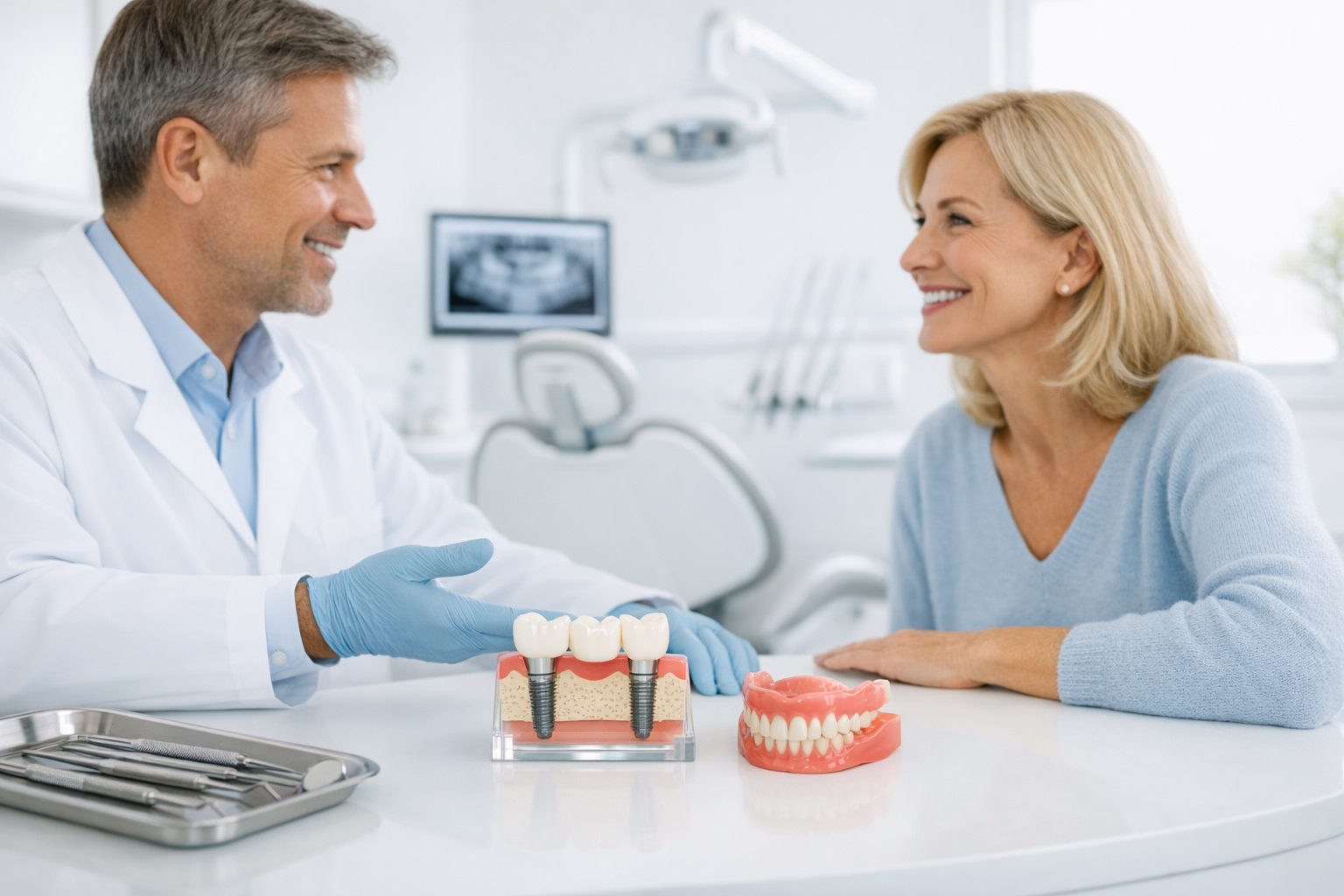
Dental implants bridges vs dentures is a common comparison when a missing tooth starts affecting daily life. Dental implants bridges vs dentures can feel confusing because each option looks and functions differently. Your best choice often depends on comfort, stability, and how many teeth you need to replace. A calm, step-by-step look at the differences can make the decision clearer.
When deciding between Dental implants bridges vs dentures, it helps to think beyond appearance. You may be considering speech, chewing, and whether you want something removable. Costs, treatment time, and how much tooth structure is involved can also matter. Most importantly, an exam can confirm what is realistic for your mouth.
Many people read about Dental implants bridges vs dentures after dealing with slipping plates or gaps that trap food. Others are worried about shaving down healthy teeth for a fixed bridge. Some want the most natural feel, even if it takes longer to complete. Whatever your priorities, it is useful to understand the trade-offs before committing.
Dental Implants Bridges vs Dentures: What Changes Day to Day
Dental implants bridges vs dentures often comes down to how secure you want your teeth to feel. Implants are anchored in the jaw, so many people find they can bite with more confidence. Dentures can work well too, but they may move, especially when eating certain foods.
When you weigh Dental implants bridges vs dentures, think about cleaning and maintenance. Bridges and implant crowns are cleaned like natural teeth, with brushing and interdental cleaning. Dentures are removed for cleaning and may need adhesive, plus occasional relines as the gums change.
For some patients, Dental implants bridges vs dentures is also about protecting nearby teeth. A traditional bridge uses adjacent teeth for support, which can be a good solution in the right case. Implants often avoid preparing neighbouring teeth, but they do require enough bone and healthy gums.
To explore implant options in more detail, visit our page on dental implants in Bournemouth. A consultation can confirm whether an implant, bridge, or denture is likely to suit your mouth. Treatment plans are usually tailored, especially if multiple teeth are missing.
Dental Implants Bridges vs Dentures: Costs, Timescales, and Suitability
Dental implants bridges vs dentures can differ a lot in timeline. Dentures may be made relatively quickly once impressions are taken, although adjustments are common early on. Implants can take longer because healing time is often needed before the final tooth is fitted.
Costs vary because each option involves different lab work and clinical steps. Dentures can be a more budget-friendly starting point, while implant treatment can be a bigger investment over time. For trusted general guidance on oral health and standards, you can refer to the British Dental Association.
Suitability also matters, and no online guide can replace an assessment. Gum health, bone levels, bite forces, and medical history can all influence what is recommended. A dentist may also discuss combination approaches, like an implant-retained denture for added stability.
- Implants feel fixed in place and may support confident chewing without daily removal routines.
- Bridges can replace a tooth quickly, but they often rely on adjacent teeth support.
- Dentures are removable and can restore appearance, though they may shift during meals.
- Dental implants bridges vs dentures decisions often depend on bone levels, gum health, and habits.
- Ask about cleaning needs, repair risks, and expected lifespan before choosing a solution.
Ready to Talk Through Your Tooth Replacement Options?
If you are stuck comparing Dental implants bridges vs dentures, an exam can clarify what is feasible and comfortable. You can book a dental implant consultation and discuss benefits, limits, and likely next steps. Bring your questions about healing time, appearance, and how your bite may feel.
We can explain options in plain language and outline a plan that fits your goals and budget. Nothing is decided on the spot, and you will have time to consider what feels right. If you have missing teeth now, getting advice early may help prevent further shifting or wear.


