Dental Implant Pricing Explained: What Shapes the Final Cost?
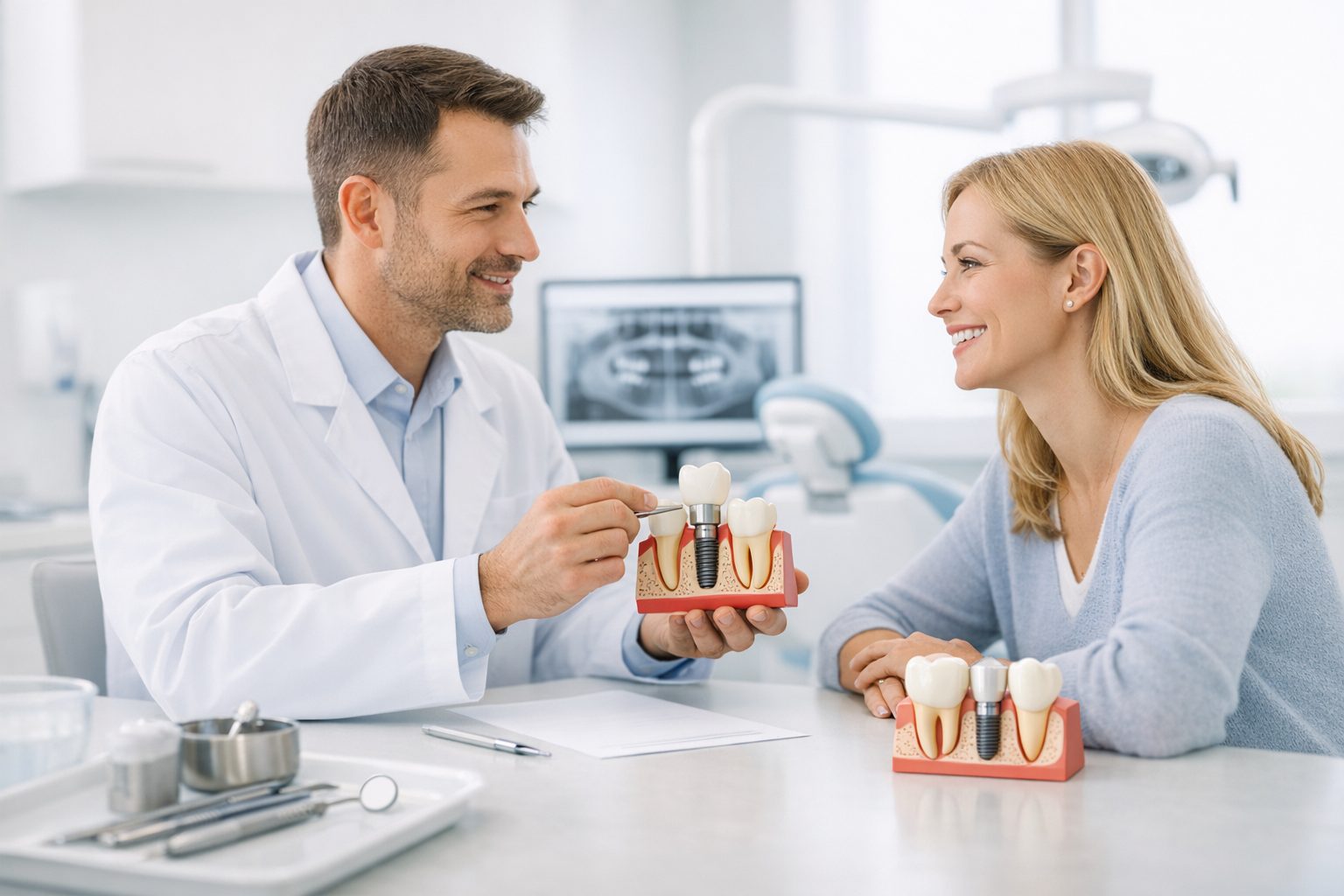
Dental implants costs can feel hard to pin down when you start comparing options. Dental implants costs can vary because treatment is planned around your mouth, not a fixed package. You might see big ranges online, which can make budgeting stressful. A clearer breakdown can help you ask better questions at your consultation.
Many people are replacing one missing tooth, while others need several teeth restored. Dental implants costs are influenced by how many implants are needed and how the final teeth will be supported. The materials used and the skill of the clinical team also play a part. Knowing the typical stages makes the numbers feel less mysterious.
It also helps to separate “implant treatment” from “tooth replacement” in general terms. Dental implants costs often include the planning, the implant itself, and the crown that you bite on. Sometimes additional steps are recommended to create a stable foundation. The best starting point is understanding what has to happen from start to finish.
Dental Implants Costs: What You’re Paying For
Dental implants costs usually cover a few core components: assessment, imaging, surgery, and the final restoration. Your plan may include scans, photographs, and careful measurements to guide placement. These steps can improve accuracy and long-term comfort.
Dental implants costs may also reflect the type of crown or bridge attached to the implant. The visible tooth is made in a lab, and different materials can affect aesthetics and durability. Shade matching and bite adjustment take time, which is part of the value.
If you want a broader overview of treatment options for missing teeth, you can read more about dental implants in Bournemouth. In many cases, the clinic will explain alternatives and why an implant is being recommended. They should also outline what follow-up visits are included.
For general guidance on choosing a dental professional and understanding standards of care, the British Dental Association can be a helpful reference. It’s reasonable to ask who is providing each stage of treatment and what experience they have. Clear communication is often a sign of good care.
Dental Implants Costs: The Factors That Commonly Change the Price
Dental implants costs can change if additional procedures are recommended before or during placement. For example, some people may need a bone graft or sinus lift to support the implant safely. These steps can add time, healing phases, and lab work.
The number of missing teeth matters, but so does the design of the final teeth. Two implants may support a small bridge, while several separate crowns may need more components. Your bite, gum health, and spacing can influence what is practical.
Timing can also affect the overall plan, since some cases allow immediate temporary teeth while others need staged healing. If you are anxious, sedation options may be discussed, which can influence fees. A written estimate that lists each phase helps you compare like with like.
- Planning and scans help tailor tooth placement, supporting comfort, function, and long-term stability.
- Surgical complexity can vary with bone levels, gum condition, and access to the area.
- Dental implants costs often increase when bone grafting or sinus procedures are advised beforehand.
- Lab-made crowns differ by material, shade work, and strength requirements for your bite.
- Aftercare visits and hygiene support can protect your investment and reduce future complications.
Ready to Talk About Your Options?
If you’re weighing Dental implants costs and want a personalised estimate, it helps to start with an assessment. You can arrange a visit through our dental implant consultation page and discuss what’s realistic for your smile. We’ll talk you through stages, timeframes, and what is included, so you can plan with confidence.
Every mouth is different, so final fees may only be confirmed after imaging and a clinical exam. If implants aren’t suitable, other ways to replace missing teeth can be explored. The aim is to help you choose a solution that looks natural and feels secure.


