Dental Implants and Diabetes: What to Know Before Treatment
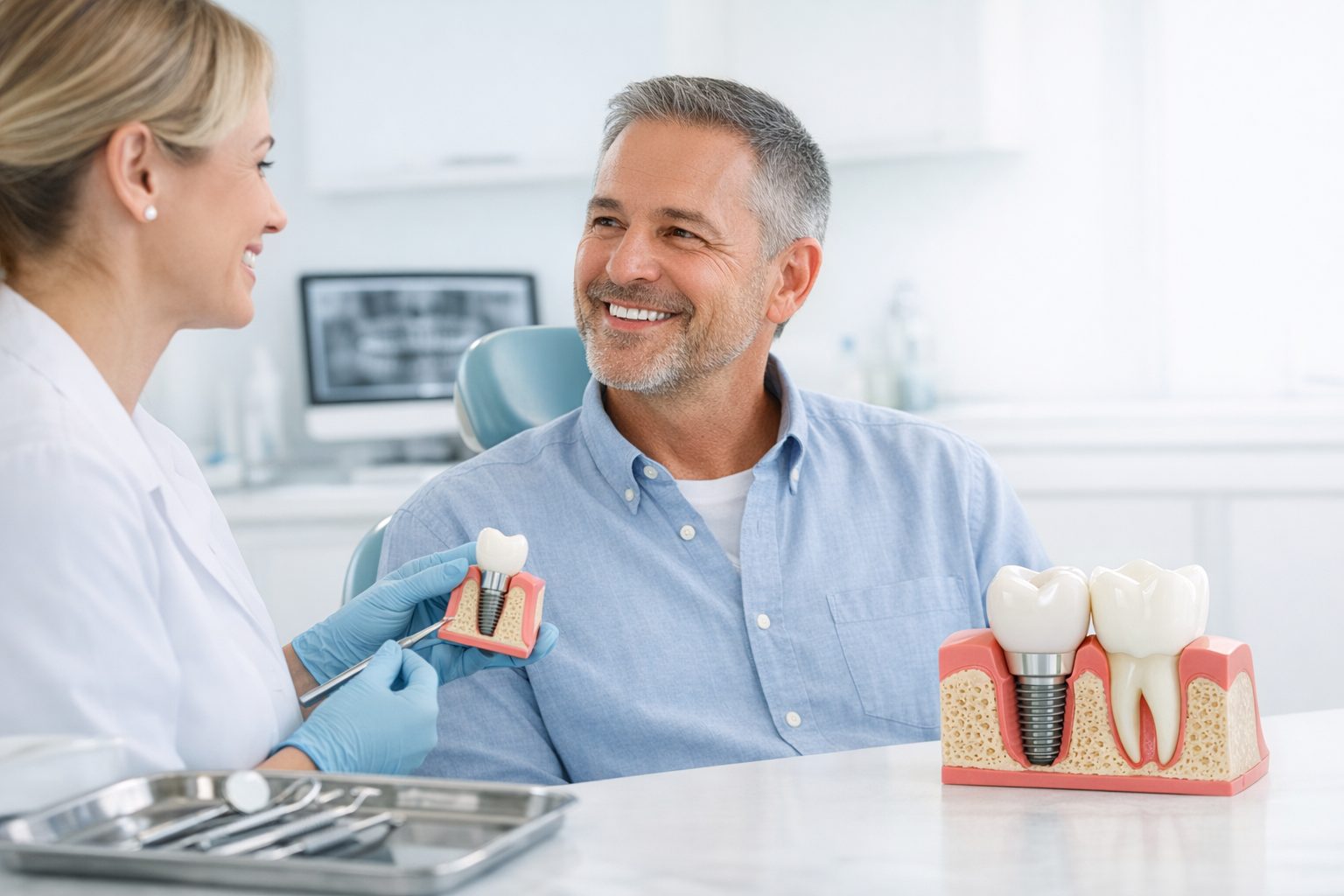
Many people with diabetes wonder whether dental implants are a suitable option for replacing missing teeth. In most cases, they can be, provided treatment is carefully planned and your overall health is well managed. The aim is to encourage good healing and give the implant the best chance of integrating successfully with the surrounding bone.
Living with diabetes can make your mouth more susceptible to inflammation, and higher blood sugar levels may slow the healing process. That doesn’t automatically rule out implant treatment, but it may influence how your dentist plans your care and recovery.
Missing teeth can affect your confidence, chewing ability, and even the foods you choose each day. With the right assessment and ongoing support, implants can provide a stable, long-term alternative to dentures or bridges. Success often comes down to careful preparation, good oral hygiene, and regular follow-up appointments.
How Diabetes Can Affect Implant Healing
Diabetes can increase the risk of gum inflammation and infection, particularly if plaque builds up around the teeth and gums. Before recommending treatment, your dentist will assess your gum health, bone levels, bite, and any signs of dry mouth or existing infection.
Successful healing depends on a healthy blood supply and your body’s ability to repair tissue. If blood glucose levels are consistently higher than recommended, healing may take longer and the risk of complications can increase. Outcomes are generally more predictable when diabetes is well controlled before treatment begins.
You’ll also be asked about your medical history, recent HbA1c results where appropriate, medications, and any previous experiences of delayed healing.
Improving the Chances of Long-Term Success
A detailed assessment helps your dentist plan treatment around your individual needs. This includes checking bone quality, gum thickness, and making sure there are no active infections before surgery. In some cases, a staged treatment plan may provide the safest and most predictable outcome.
Good home care becomes even more important before and after implant placement. Brushing thoroughly, cleaning between the teeth, and following your dentist’s aftercare instructions can help reduce bacteria and support healthy healing. Additional hygiene appointments may also be recommended during recovery.
Lifestyle choices play an important role too. Eating a balanced diet, keeping blood sugar levels well managed, and avoiding smoking where possible can all improve healing and reduce the risk of complications. If you’re considering dental implants in Bournemouth, your treatment plan will be tailored to your medical history as well as your oral health.
- Bring an up-to-date list of your medications to your consultation.
- Discuss your usual blood sugar control and any recent changes to your health.
- Follow your aftercare instructions carefully, including cleaning around the implant.
- Choose softer, nutritious foods while the area is healing.
- Contact your dentist promptly if you notice unusual swelling, bleeding, or persistent discomfort.
Ready to Discuss Your Options?
If you’re living with diabetes and considering dental implants, a personalised consultation is the best place to start. We’ll assess your oral health, discuss how your medical history may influence treatment, and explain the steps that can help achieve the best possible outcome.
Many people with well-managed diabetes enjoy successful, long-lasting dental implants. With careful planning, realistic expectations, and ongoing maintenance, implant treatment can provide a comfortable and reliable way to restore your smile.
Contact us today to schedule a dental implant consultation.


