Implant Failure Smokers: Risks, Warning Signs, and How to Improve Success
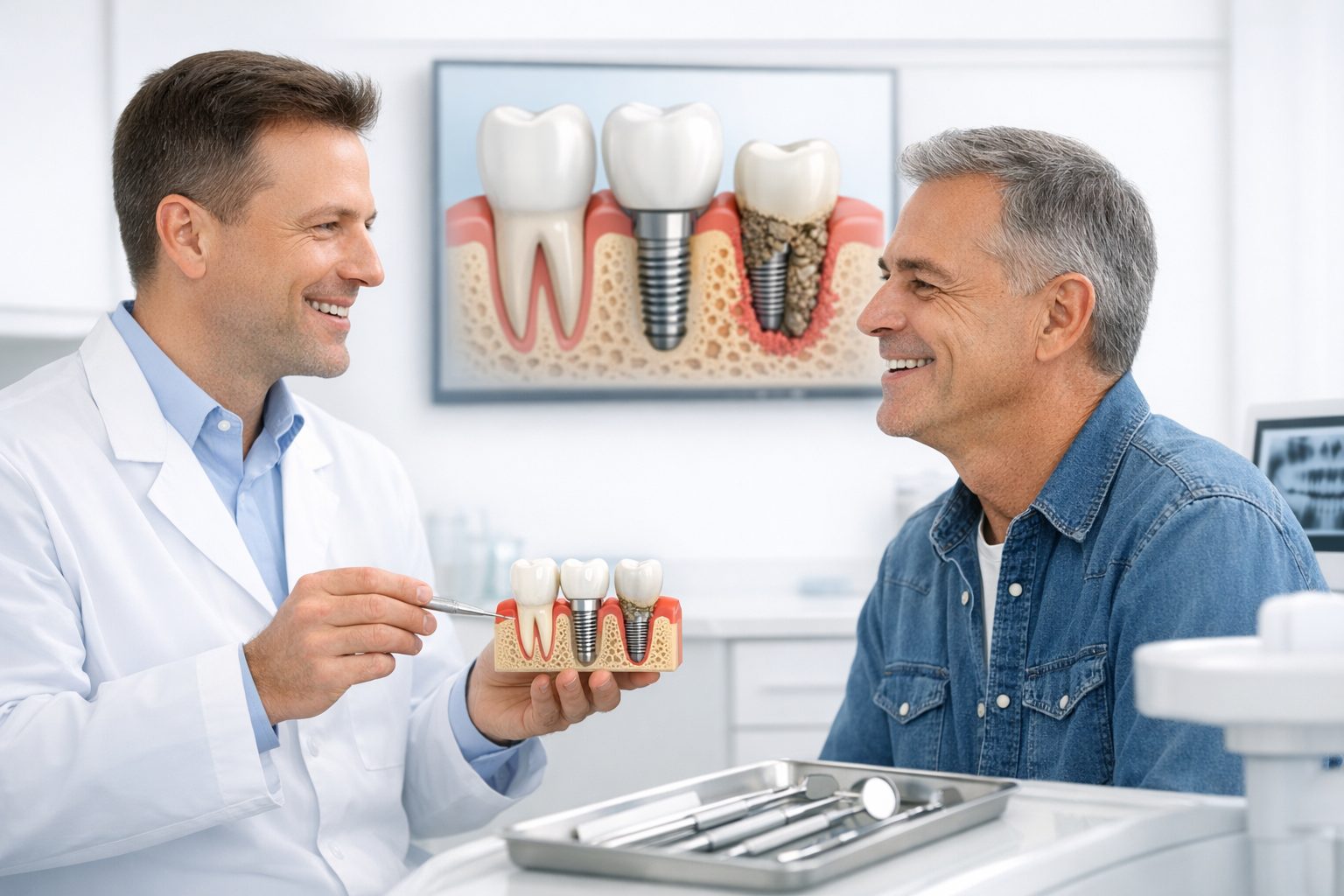
Implant failure smokers often worry that one cigarette will ruin an implant, but the reality is more nuanced. Implant failure smokers are mainly at higher risk because smoking affects healing and blood flow. That risk can feel frustrating if you have already invested time, money, and hope. The good news is that many people can still be assessed and supported successfully.
If you smoke, it does not automatically mean an implant will fail. Implant failure smokers is a phrase you may see online, yet success depends on several controllable factors. Your gum health, bone quality, and day to day cleaning habits all matter. So does the timing of smoking around surgery.
It also helps to know what “failure” can look like in real life. Implant failure smokers can include early healing problems, or later issues like inflammation around the implant. The earlier you spot changes, the easier they may be to manage. A calm, practical plan with a clinician is usually the best next step.
Why Implant Failure Smokers Happens More Often
Implant failure smokers is more common because nicotine and heat can reduce blood supply to the gums. With less oxygen and fewer nutrients reaching the area, healing may be slower. This can make it harder for the implant to bond firmly with the bone.
Smoking can also dry the mouth and change the balance of bacteria. That may increase the chance of gum inflammation, which can threaten the supporting bone. General oral health guidance from the British Dental Association highlights how smoking impacts gum health overall.
Another issue is that smoking can mask early warning signs. Bleeding gums may be less obvious, so problems can quietly progress. Implant failure smokers is less likely when reviews are kept and small issues are treated early.
How Implant Failure Smokers Can Be Reduced With A Plan
The first step is an honest consultation, including a scan and gum assessment. Implant failure smokers risk can be lowered when the mouth is stable before surgery. This is often where a structured implant pathway helps, such as our dental implant options for missing teeth.
Many clinics may recommend pausing smoking around the procedure. Implant failure smokers may drop when you avoid cigarettes for a period before and after placement. Your team can explain what timeframes they prefer and why.
Maintenance matters just as much as surgery technique. Daily brushing, interdental cleaning, and professional hygiene visits help protect the gum seal. Implant failure smokers becomes less likely when plaque is controlled and inflammation is not allowed to linger.
- Stop smoking briefly before surgery to support healing, blood flow, and bone bonding.
- Brush carefully twice daily and clean between teeth to reduce trapped plaque near implants.
- Attend review appointments so early inflammation or looseness can be spotted and managed.
- Implant failure smokers risk rises with poor hygiene, diabetes, and heavy smoking over years.
- Tell your dentist about vaping, shisha, or patches, as nicotine can still affect gums.
Book A Consultation to Protect Your Implant Investment
If you are worried about Implant failure smokers, it is worth getting a personalised assessment rather than guessing. We can talk through your smoking level, medical history, and what changes may improve healing. You can arrange an appointment through our dental implants team in Bournemouth and discuss the next practical steps.
Even if an implant has already failed or feels uncomfortable, you may still have options. In many cases, addressing gum inflammation, improving home care, and considering staged treatment can help. A clinician can confirm what is happening and whether replacement is suitable for you.


