Invisalign Attachments: What They Are and Why You Might Need Them
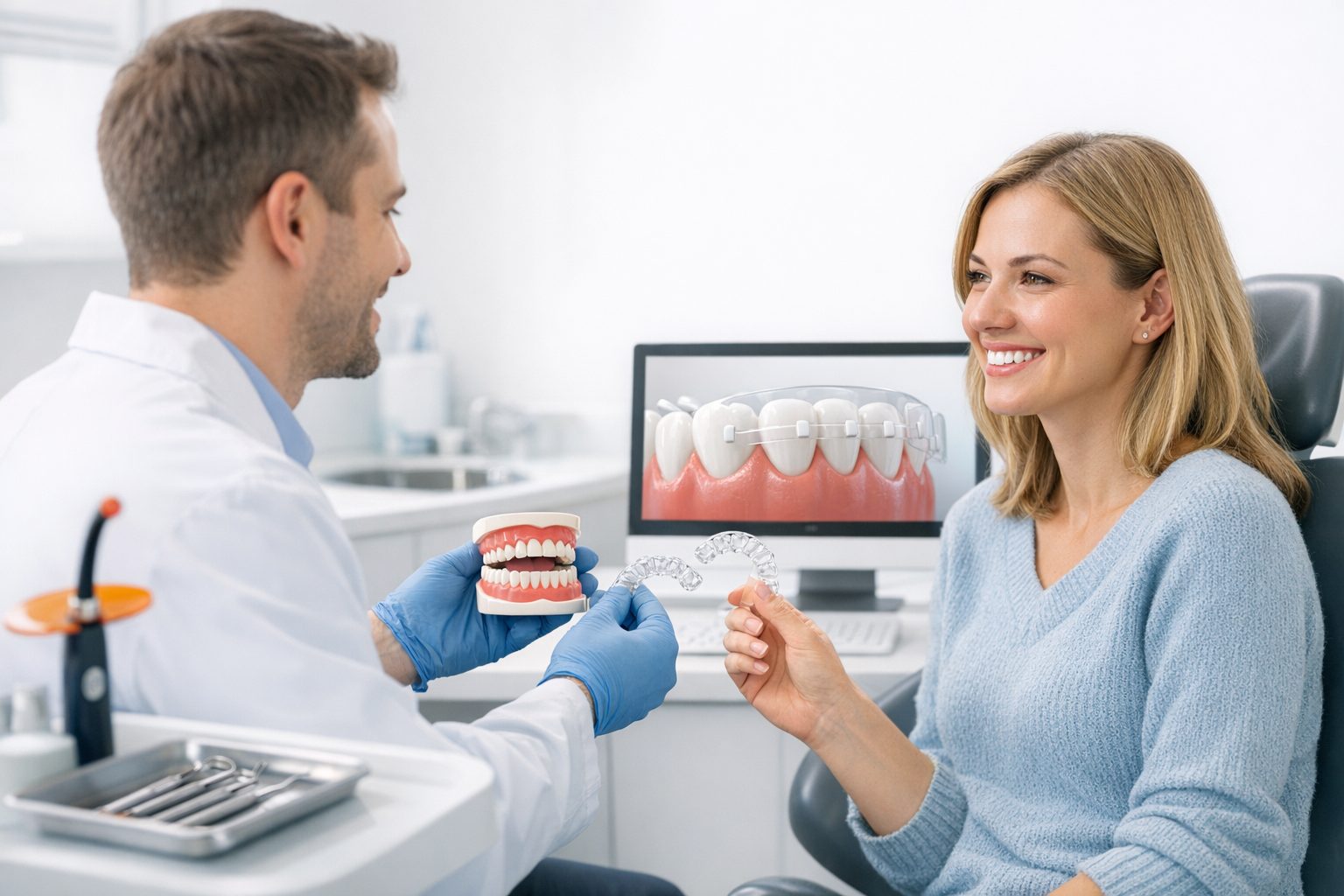
Invisalign attachments can look tiny, but they often make a big difference to how aligners move teeth. Invisalign attachments may help your trays grip specific teeth more securely during treatment. Many people only notice them when they first run their tongue over a tooth. If you are starting aligners, it helps to know what to expect.
They are tooth-coloured bumps made from dental composite, similar to white filling material. Your clinician bonds them to selected teeth so the aligner can apply pressure in a more controlled way. Invisalign attachments are planned in advance using a digital scan, not added at random. That planning helps guide teeth that need extra rotation, lifting, or tipping.
It is normal to worry they will feel bulky or look obvious. In many cases they are subtle, especially from conversational distance. Invisalign attachments can sometimes make the first few days with a new tray feel tighter, which is usually part of the process. A quick check-in appointment can confirm everything is tracking as intended.
How Invisalign Attachments Work During Tooth Movement
Attachments act like small handles that the plastic aligner can push against. Without them, some teeth may slide rather than rotate, particularly rounder teeth like canines and premolars. Invisalign attachments can help create the precise angles needed for predictable movement.
Fitting them is typically straightforward and painless. A template aligner is used to place the composite in the exact shapes and positions that were digitally planned. Your dentist or orthodontist should be appropriately qualified and registered with the General Dental Council for your reassurance.
Once bonded, you wear your trays as prescribed so forces are applied consistently. If a tray is not seated fully, the attachment cannot do its job as well. Invisalign attachments may also be used to help close small gaps or refine the bite near the end of treatment.
For a wider overview of how clear aligners are planned and monitored, you can read about Invisalign treatment in Bournemouth. It explains what appointments typically involve and why reviews matter. That context makes the role of attachments easier to understand.
Living With Invisalign Attachments Day to Day
Eating is usually normal, because you remove aligners for meals. The attachments stay on your teeth, so you may notice a slightly different feel when chewing at first. Invisalign attachments typically become less noticeable as you get used to them.
Cleaning is important because plaque can collect around any raised edges. Brushing carefully around each tooth and using interdental cleaning can help keep gums calm. Invisalign attachments may be easier to keep clean if you rinse after coffee or strongly coloured foods.
If an attachment comes off, do not panic, but do let your clinic know. In some cases it can wait until your next appointment, while in others it may be worth replacing sooner. Invisalign attachments are only one part of the plan, so a professional review can confirm whether anything needs adjusting.
All attachments come off at the end using gentle polishing, and the tooth surface is usually returned to how it was. Some people get a little sensitivity during removal, but it is often brief. A retainer is still important afterwards to help keep your new alignment stable.
- They provide extra grip so aligners can rotate teeth rather than slipping forwards.
- Most are tooth-coloured and hard to spot unless you are very close.
- Invisalign attachments may feel sharp briefly, but lips usually adapt within days.
- Careful brushing around edges helps prevent staining and keeps gums healthier throughout treatment.
- If one falls off, contact your clinic to check whether replacement is needed.
Book A Consultation to Discuss Your Next Steps
If you are weighing up aligners and want tailored guidance, arrange a visit via our contact page. Invisalign attachments are just one tool, and your plan should be based on a proper assessment. If you are also thinking about replacing missing teeth, we can talk through safe, realistic options at the same time.
Bring any questions about comfort, visibility, cleaning, and how long treatment may take. We can explain what your scan suggests and whether attachments are likely to be recommended in your case. Invisalign attachments should always be planned and reviewed professionally, so you feel confident at each stage.


