Invisalign Eating: Simple Rules for Meals, Snacks, and Drinks
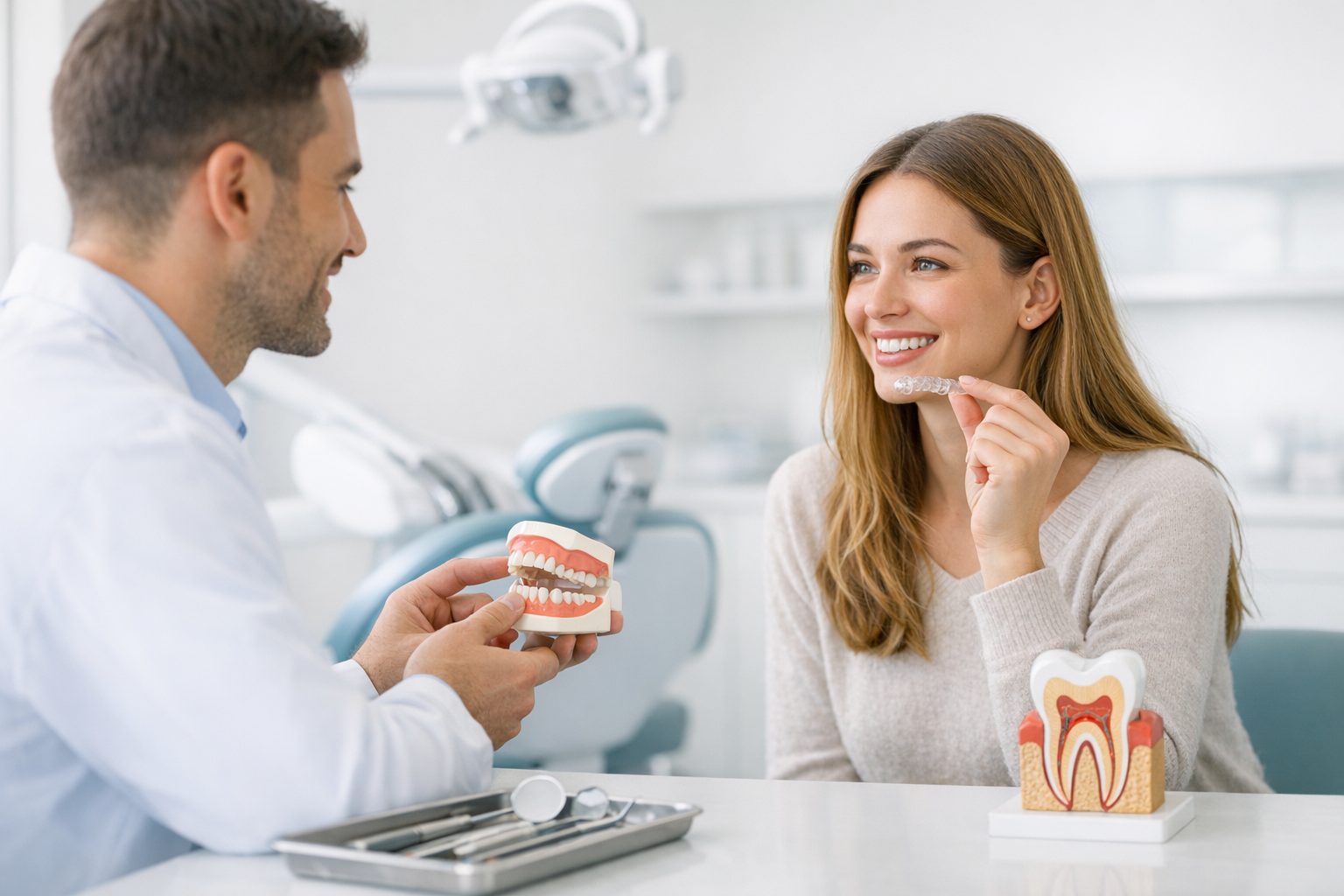
Invisalign eating can feel confusing at first, especially when you are hungry and in a hurry. Eating with Invisalign gets easier once you know what is safe and what to avoid. The good news is you can still enjoy most of your usual meals with a few simple habits. This guide explains the basics in a clear, everyday way.
Most people find the biggest change is timing, not the food itself. You will often be removing aligners more frequently than you expected, especially with snacks. Invisalign eating tends to work best when you plan meals and keep a small kit with you. That kit might include a case, a travel toothbrush, and a few interdental brushes.
It is normal to worry about staining, odour, or accidentally damaging a tray. Hot drinks and sugary sips are common traps because they linger and are easy to forget about. Invisalign eating can also cause mild tenderness at the start of a new aligner, which may influence food choices. With the right routine, these problems are usually manageable.
Invisalign Eating: When to Remove Aligners and Why It Matters
In most cases, you should remove your aligners before meals and snacks. Chewing with trays in can crack them, warp the plastic, or trap food against teeth. Invisalign eating is mainly about giving your teeth a break, then putting the trays back onto clean surfaces.
If you are out, try to keep eating to set times rather than grazing all day. Frequent snacking can mean more brushing, and that can be hard to maintain consistently. If you are unsure about safe routines, our Invisalign treatment information can help you understand what to expect.
After eating, rinse your mouth with water if brushing is not possible straight away. Then brush and clean between teeth as soon as you reasonably can, before reinserting the trays. Invisalign eating works best when aligners go back in quickly, so wear time stays on track.
For general guidance on oral health and cleaning standards, you can also refer to the British Dental Association. Their advice can support good habits alongside your orthodontic plan. It is still important to follow the instructions from your own dental team, because needs can vary.
Practical Tips for Snacks, Drinks, and Social Events
Social situations are where routines often slip, so it helps to decide your plan before you arrive. Eating snacks when wearing Invisalign is simpler when you choose one or two eating windows, rather than constant nibbling. If you need a snack, remove the trays, eat, and clean up before they go back in.
For drinks, plain water is usually the safest option while aligners are in. Sugary or acidic drinks can sit under the trays and increase the risk of decay, especially if sipped slowly. Invisalign eating is also affected by hot drinks, because heat may distort plastic and change the fit.
When teeth feel tender, softer foods may be more comfortable, such as pasta, fish, or yoghurt. Cut tougher foods into smaller pieces and chew slowly to reduce pressure. Eating with Invisalign does not have to be restrictive, but it can be kinder to your mouth to adjust temporarily.
- Carry a small cleaning kit so you can stay comfortable and consistent after meals.
- Choose water with aligners in, and keep sugary drinks for tray-free times only.
- Plan fewer snacks to reduce brushing pressure and protect gums during treatment progress.
- Invisalign eating is easier when you pack a case, chew gently, and rinse first.
- Avoid very hot tea or coffee because heat can affect aligner fit and clarity.
Book a Chat if You Want a Confident Routine
If you are unsure about your routine, Invisalign eating questions are very common, and you do not need to guess. You can contact our team to talk through practical tips and what to expect day to day. If you are considering replacing missing teeth as well, we can explain how different options may fit your bigger plan.
A quick consultation can help you understand what is normal, what may need an adjustment, and when to book reviews. We cannot give personalised advice online, but we can assess your mouth and aligner fit in person. That way you can eat, clean, and wear your trays with more confidence.


