Sinus Lift Swelling: What to Expect and When to Get Help
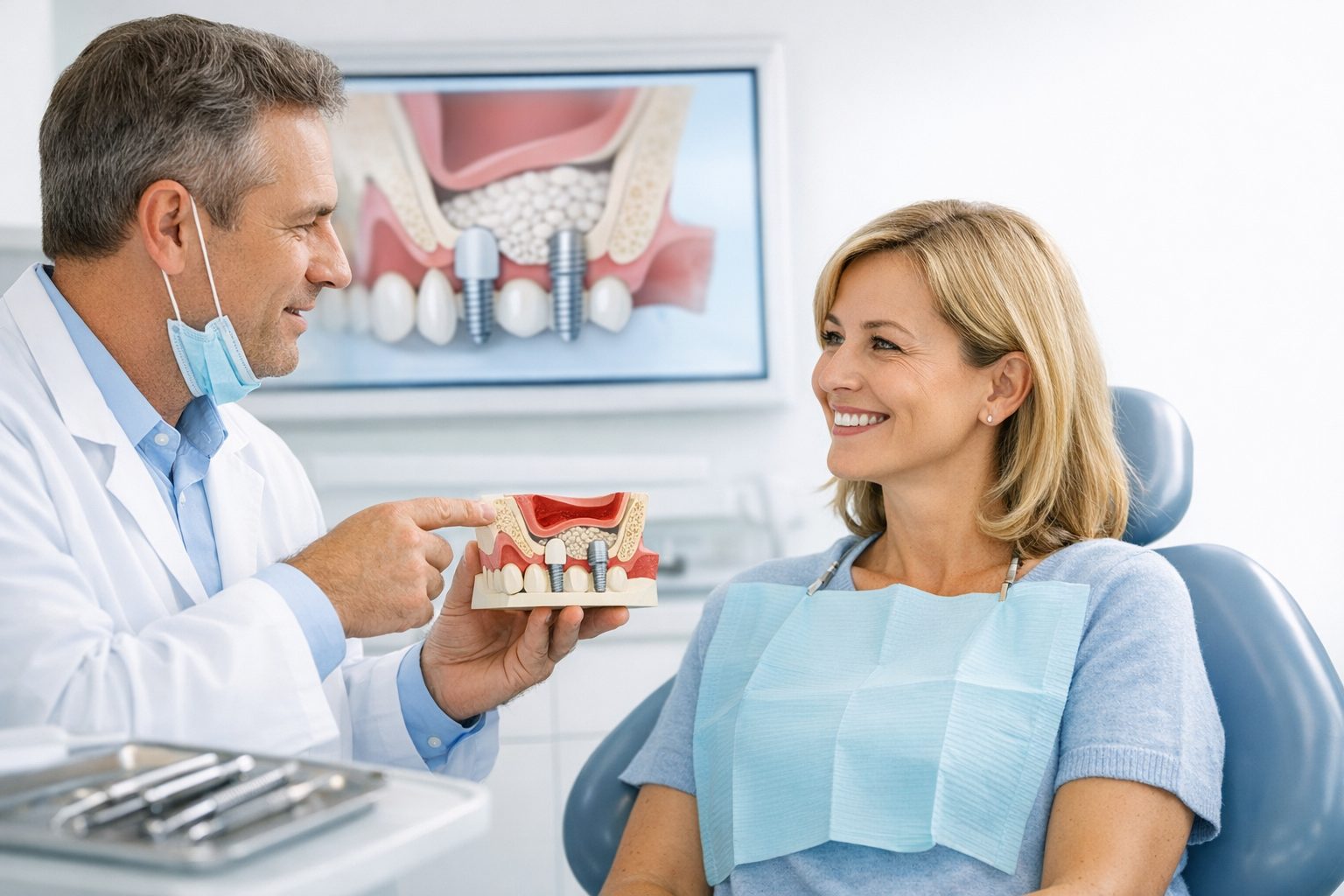
Sinus lift swelling can feel worrying, especially if you are preparing for dental implant treatment. Sinus lift swelling is often a normal short-term response while the area starts healing. You may notice puffiness in the cheek, under the eye, or around the upper jaw. Knowing what is typical can make the first few days feel more manageable.
Most people find the swelling peaks around day two or three and then slowly settles. Sinus lift swelling may be more obvious first thing in the morning or after activity. Mild bruising, a feeling of pressure, or a stuffy nose can also happen. Medication and simple home care can often keep symptoms comfortable.
Every mouth heals a little differently, so comparisons with friends or online stories can be misleading. If you have had a bone graft as part of the lift, the tissues can react with extra puffiness at first. Sinus lift swelling can also look worse than it feels, because the upper jaw has looser soft tissue. The key is watching the overall trend and how you feel day to day.
Why Sinus Lift Swelling Happens After Implant Preparation
A sinus lift is used when the upper jaw needs more bone height before an implant can be placed. The surgeon gently creates space to add graft material, and your body responds with inflammation as part of healing. Sinus lift swelling is a common part of that early response.
Small blood vessels can leak fluid after any oral surgery, which is what creates puffiness. Sleeping flat, bending over, or heavy exercise may temporarily increase pressure and make swelling more noticeable. If you are exploring options to replace missing teeth, our dental implant treatment information explains where procedures like a sinus lift can fit in.
It is also normal to have some congestion because the sinus lining can be irritated. You may be asked to avoid blowing your nose, using straws, or forceful sneezing, because these can disturb the healing site. Sinus lift swelling often improves as the tissues seal and the inflammation settles.
Clear guidance matters, so always follow the aftercare plan you were given for your specific procedure. For general oral health advice and patient resources, the British dental community often references the British Dental Association. If anything about your recovery instructions is unclear, it is reasonable to call your clinic and confirm what is best for you.
Managing Sinus Lift Swelling Day by Day
In the first 24 to 48 hours, focus on rest and keeping your head elevated when lying down. A cold compress on the outside of the cheek may help with comfort during the early stage, if you were advised it is suitable. Sinus lift swelling can look dramatic early on, then suddenly start to ease.
Take any prescribed medications exactly as directed, and do not skip doses hoping to “tough it out.” Soft foods, plenty of fluids, and gentle mouth care can reduce irritation while the area is tender. If you smoke or vape, your clinician may advise pausing, because healing can be slower.
Most swelling trends down after the peak, but it is important to watch for patterns. Increasing pain, worsening swelling after initial improvement, a fever, or a bad taste may signal a problem that needs review. Sinus lift swelling should not keep getting worse for many days in a row.
- Expect mild puffiness for several days; swelling often peaks around day two or three.
- Use head elevation at night to reduce pressure and fluid build-up in tissues.
- Cold packs may help early on; switch to warmth only if advised by clinician.
- Sinus lift swelling can worsen if you blow your nose or sneeze forcefully.
- Call your clinic if swelling increases after improving, or you develop fever.
Book a Review if You Are Planning Implants
If you are considering implants and want a clear plan for recovery, including Sinus lift swelling, we can help you understand what is likely for your case. You can book a dental implant consultation to discuss bone levels, timelines, and aftercare in plain language. A calm, personalised review can also highlight ways to reduce risks and improve comfort.
Even if your swelling seems “within normal limits,” reassurance from a clinician can be valuable. If you are missing teeth and weighing up next steps, an assessment can confirm whether a sinus lift is needed at all. The goal is a stable, long-term result and a recovery you feel confident about.


