
Retainers vs Braces: What To Know Before You Choose
Retainers vs Braces: What To Know Before You Choose If you're comparing retainers vs braces, you're not alone. While they may look similar, they serve very different purposes. Braces are designed to move teeth into better positions, whereas retainers help keep those results stable once treatment is complete. Understanding what each appliance can and can't do will help you make an informed decision. If you've noticed mild shifting, you may wonder whether a retainer can move your teeth back into place. This often happens after losing a retainer, finishing aligner treatment, or going a long time without wearing one. In some cases, small changes are possible, but more significant movement usually requires active orthodontic treatment. The best place to start is finding out whether your teeth need stabilising or repositioning. Comfort, cost and treatment time are all important considerations, but achieving a healthy, lasting result matters most. Most orthodontic plans use braces or clear aligners to move the teeth before retainers are worn to maintain the final position. A professional assessment can help you understand which option is right for your smile. Retainers vs Braces: What Each One Actually Does Retainers are designed to maintain tooth positions after treatment and help prevent teeth from drifting back. Occasionally, a dentist may recommend an active retainer for very minor adjustments, but these appliances have limited ability to reposition teeth. The choice between retainers vs braces usually depends on how much tooth movement is needed. Braces apply gentle, continuous pressure using brackets and wires to move teeth through the supporting bone over time. They can successfully correct crowding, spacing, rotated teeth and bite problems in ways retainers cannot. In simple terms, braces create the movement, while retainers preserve the result. Clear aligners are another effective option for active tooth movement and are popular with many adults looking for a discreet alternative. If you'd like to explore this option, you can learn more about Invisalign treatment in Bournemouth. Following an examination of your teeth, bite and gum health, your dentist can recommend the most appropriate treatment. Practical Factors That Affect Your Choice Your daily routine can influence which appliance suits you best. Removable retainers need to be worn consistently and stored safely, while fixed retainers stay bonded behind the teeth but require extra care when cleaning. Braces also require regular adjustment appointments throughout treatment. Good oral hygiene is essential whichever option you choose. Braces can trap food more easily, making brushing, flossing and regular dental visits even more important. For trusted oral health advice during orthodontic treatment, you can also refer to the British Dental Association. Treatment costs vary depending on the complexity of your case, the type of appliance used and how long treatment is expected to take. Some patients also need bite correction rather than simply straighter front teeth, which can influence the recommended approach. Long-term retention should always form part of the discussion, as teeth naturally tend to shift over time. Consider your goal: maintaining previous results, correcting minor movement or straightening your teeth more comprehensively. Ask how long you'll need to wear your appliance each day and how often reviews are required. Discuss comfort and any temporary speech changes during the first few weeks. Follow the recommended cleaning routine to keep your appliance and teeth healthy. Remember that wearing your retainer as instructed is the best way to protect your long-term results. Ready To Talk Through Your Options? If you're weighing up retainers vs braces and would like personalised advice, contact our team to arrange a consultation. We'll assess your teeth and bite, discuss your goals and explain the treatment options that are most suitable for you. In the meantime, keep any existing retainer safe and continue wearing it only as previously advised. Orthodontic treatment can improve both your smile and your bite, but the right solution varies from person to person. Whether you're dealing with minor shifting, a damaged retainer or considering teeth straightening for the first time, we'll help you choose an option that supports a healthy, stable result for the future.
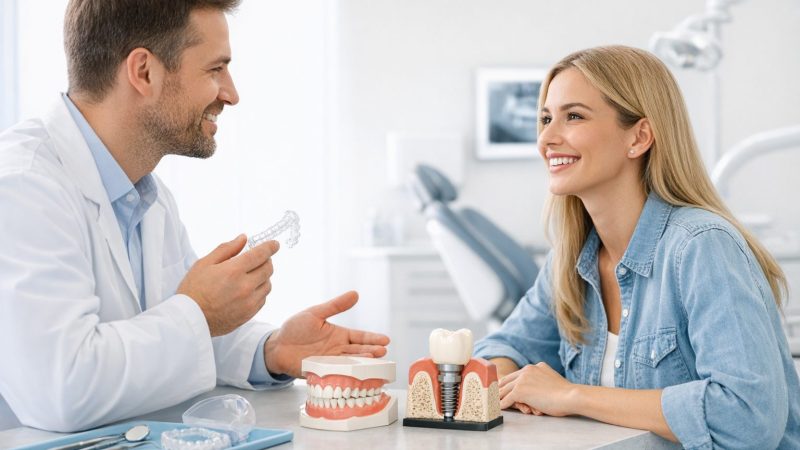
Clear Aligners Relapse: Why Teeth Shift Back and How to Prevent It
Teeth can shift gradually after aligner treatment, but catching it early makes a big difference. Here is why relapse happens, what the early signs look like, and the simple habits that help keep your results stable long term.
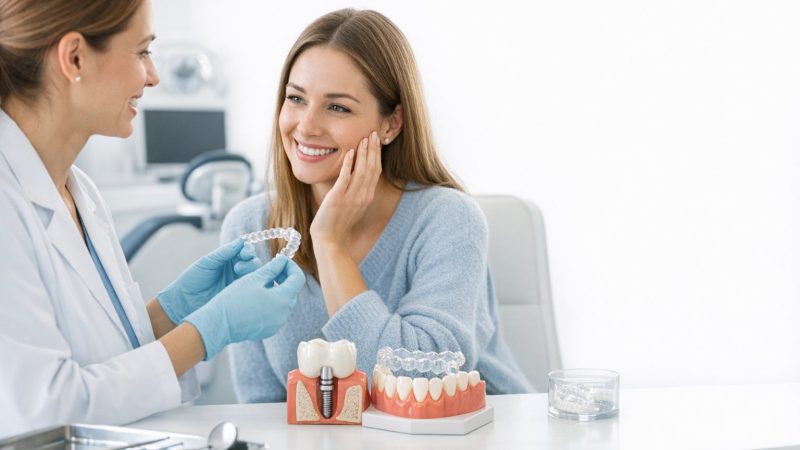
Clear Aligners Discomfort: What’s Normal and What Helps
Clear aligners discomfort can catch you off guard, even when you’re excited to straighten your teeth. Clear aligners discomfort is common at the start, but it usually has a clear pattern. Many people describe pressure, tightness, or a bruised feeling rather than sharp pain. Knowing what’s typical can help you stay calm and consistent with […]
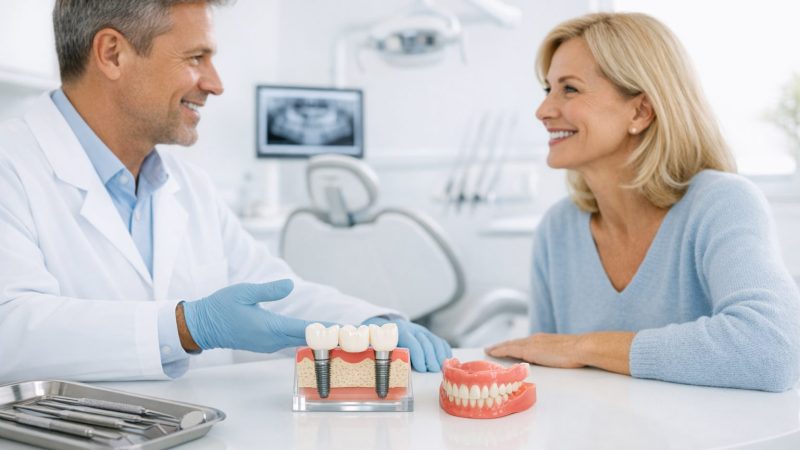
Dental Implants Bridges vs Dentures: How to Choose the Right Option
Dental implants bridges vs dentures is a common comparison when a missing tooth starts affecting daily life. Dental implants bridges vs dentures can feel confusing because each option looks and functions differently. Your best choice often depends on comfort, stability, and how many teeth you need to replace. A calm, step-by-step look at the differences […]
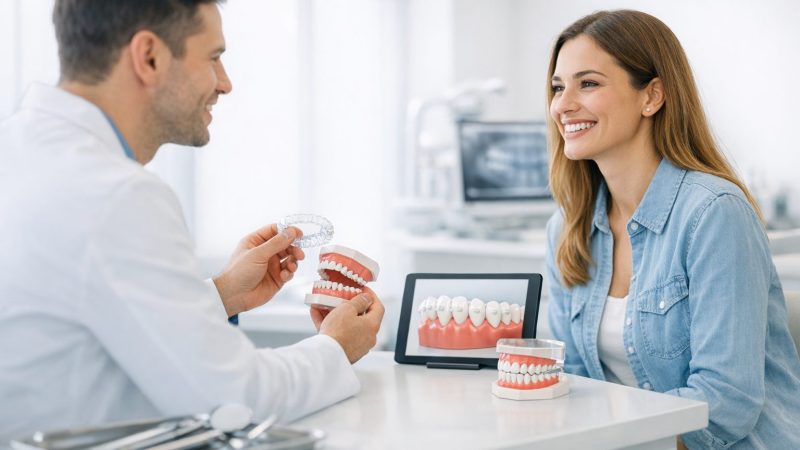
Invisalign Refinements: What They Are and Why You Might Need Them
Invisalign refinements can be a normal part of getting a confident, even smile. Many people are surprised to hear Invisalign refinements are planned for in many cases, not a sign something went wrong. Teeth can move in tiny, unpredictable ways as your aligners work through each stage. Knowing what to expect helps you stay motivated […]
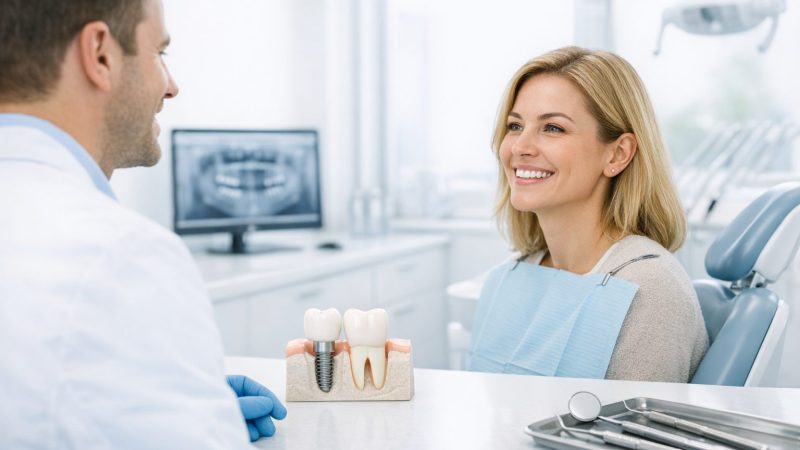
Dental Crowns Aftercare: Simple Habits That Help Your Crown Last
Dental crowns aftercare starts the moment you leave the chair, and small choices can protect your bite. Dental crowns aftercare also helps you avoid soreness that can distract you at work or home. Most people feel a little different pressure at first, which is normal. Knowing what to expect can make the first week […]
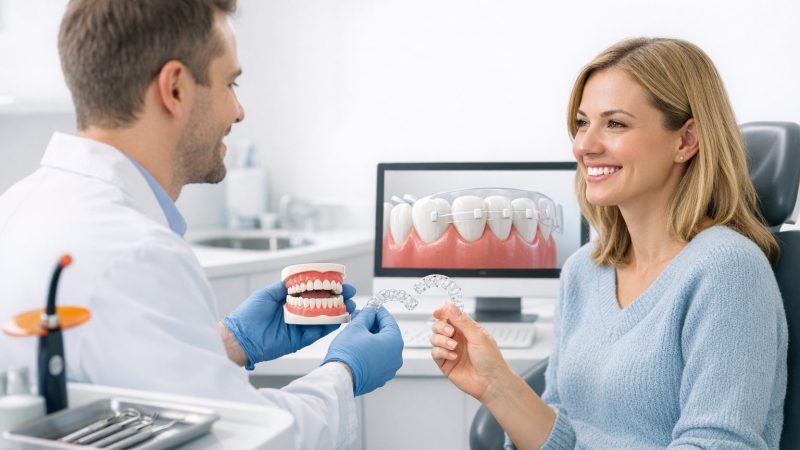
Invisalign Attachments: What They Are and Why You Might Need Them
Invisalign attachments can look tiny, but they often make a big difference to how aligners move teeth. Invisalign attachments may help your trays grip specific teeth more securely during treatment. Many people only notice them when they first run their tongue over a tooth. If you are starting aligners, it helps to know what […]
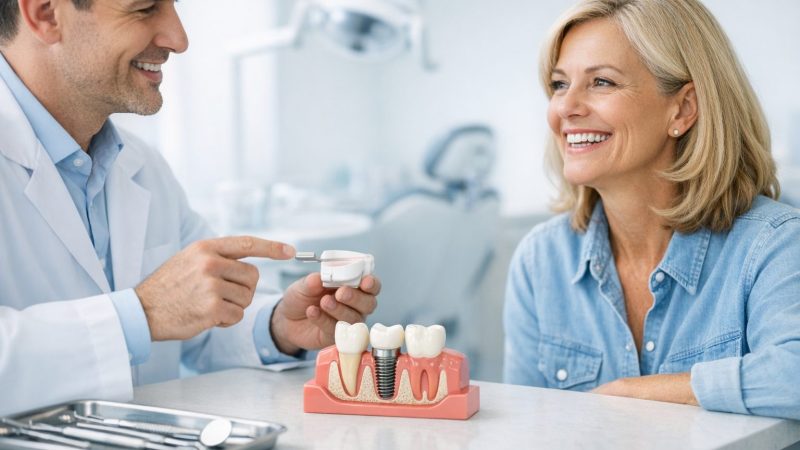
Missing Teeth Dentures: Practical Options for Comfort, Fit, and Confidence
Missing teeth dentures can feel like a quick fix, but day-to-day comfort matters just as much. If you have Missing teeth dentures, you may notice changes in speech, chewing, or confidence over time. It is common to wonder whether a new set, adjustment, or different option would feel more secure. Understanding what affects fit […]

Will I Lose My NHS Dentist If I Go Private?
Thinking about going private for the first time? Maybe you’re fed up with long NHS waiting lists, fancy straighter or whiter teeth, or you simply want a dentist who actually has time to talk to you. But then you’re worried that you may lose your place at your NHS dentist. You’re not alone in wondering […]

Achieve Your Dream Smile with Bournemouth Orthodontists
A radiant smile can truly transform one’s appearance and boost self-confidence. Healthy, straight teeth not only look great but also signify robust oral well-being. However, achieving that perfect smile sometimes requires some help from dental professionals. Enter orthodontists, the experts who specialise in correcting irregularities of the teeth and jaws. Their work ensures that many […]


